Zimbabwe President Extends Term, Sparking Democratic Concerns
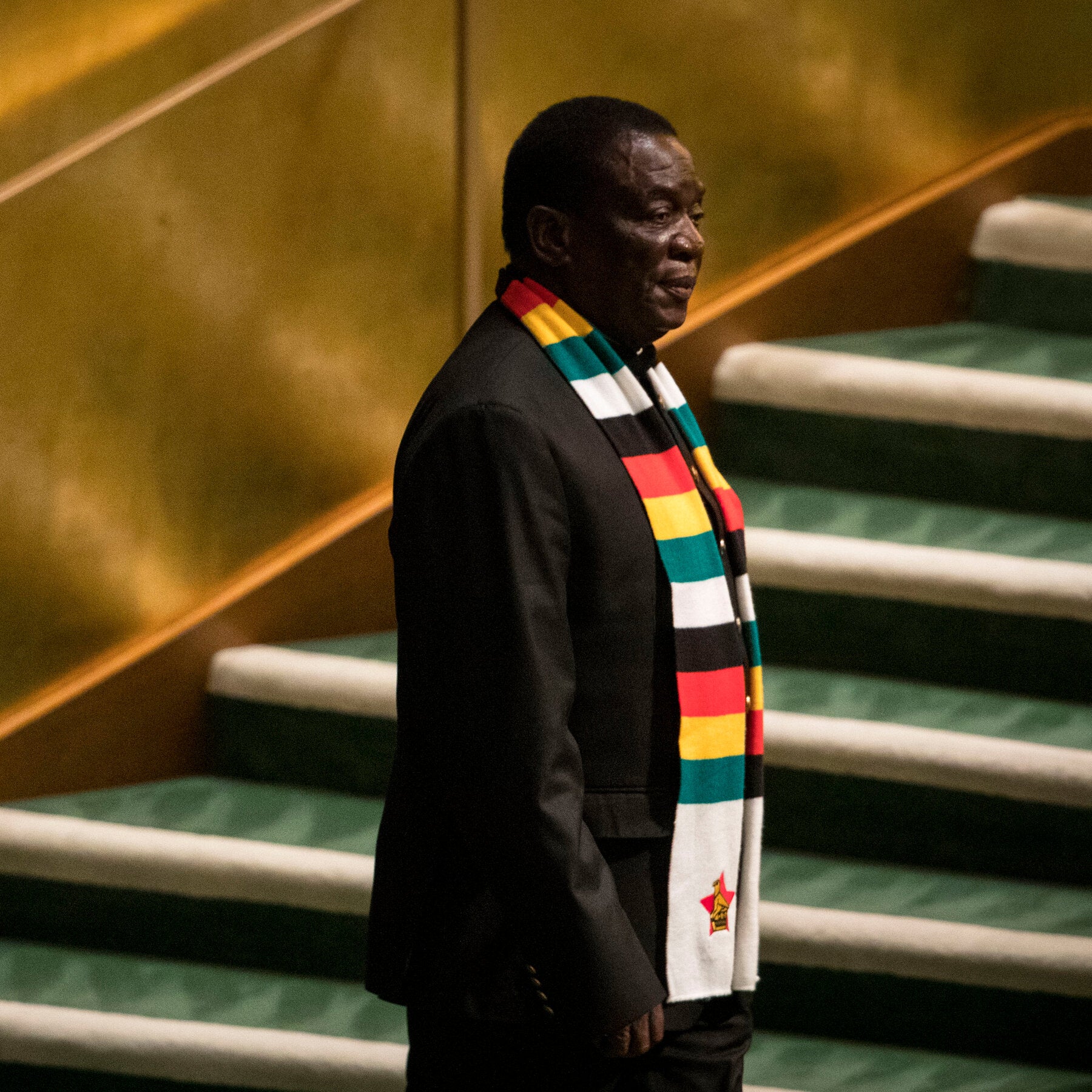
Zimbabwe's political landscape is facing intense scrutiny following a controversial measure that permits President Emmerson Mnangagwa to remain in office until 2030. This significant development, initially reported by NY Times World, has ignited a fierce debate and raised considerable alarm among international observers and domestic critics alike, who are deeply concerned about the nation's democratic future. The extended tenure for President Mnangagwa, which pushes beyond his previously expected conclusion date, is widely interpreted by his opponents as a calculated maneuver to further entrench and consolidate his authority. Critics vociferously argue that such a move represents a dangerous tightening of his grip on power, potentially steering the country decisively towards a more autocratic style of governance. This legislative alteration is attracting substantial criticism for its inherent potential to undermine and weaken the already fragile democratic institutions and processes within Zimbabwe. Consequently, concerns are rapidly mounting that this decision could lead to the progressive erosion of the nation's democratic foundations, effectively granting President Mnangagwa an additional term and prompting fears for the long-term stability and democratic health of the country.