Why Trump’s Economic Incentive Strategy for Ukraine Echoes Germany’s Risky Bet on Russia
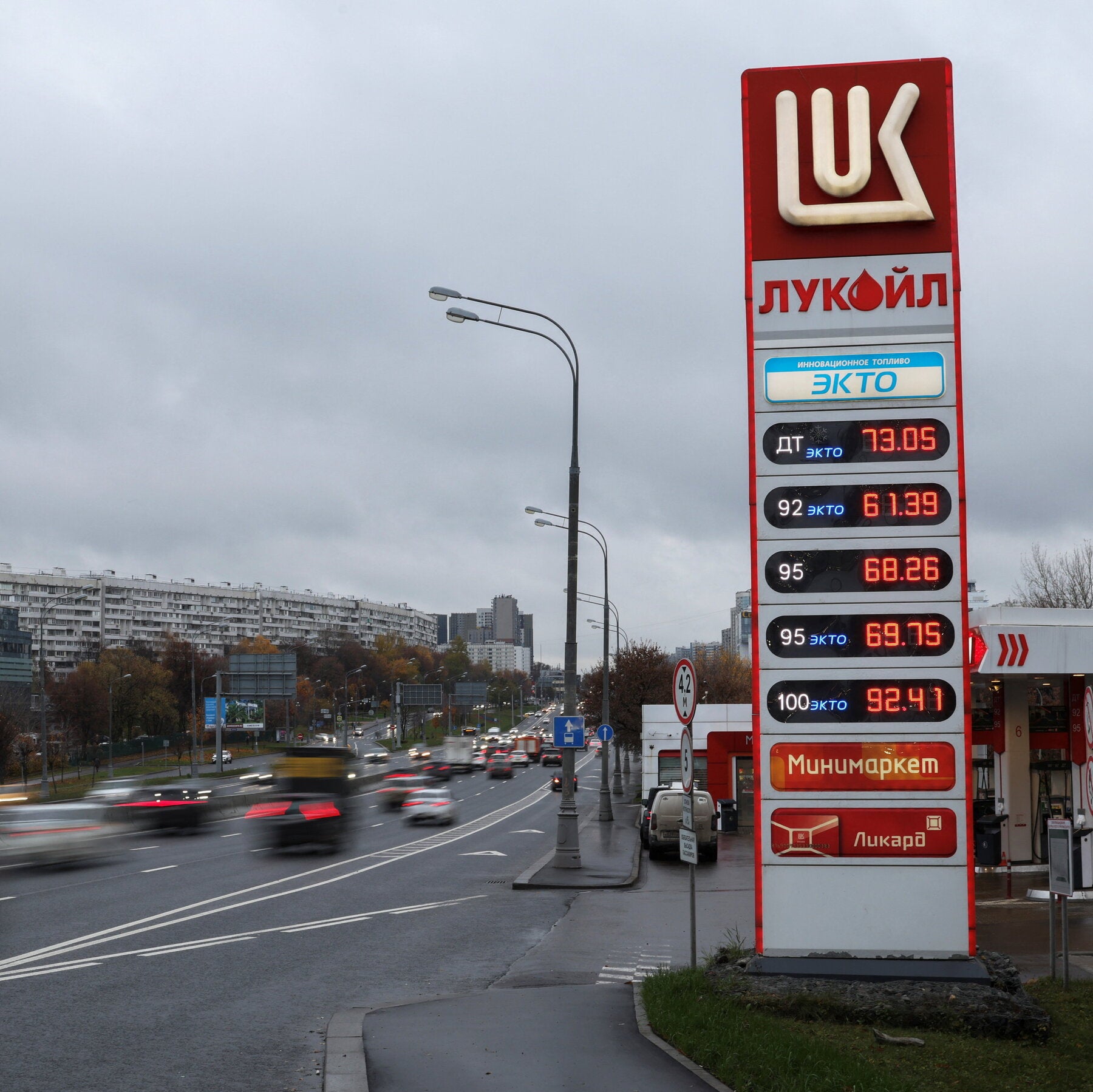
President Trump is betting that economic incentives can deter Vladimir Putin’s aggression in Ukraine, but Germany’s historical experience with Russia suggests this approach carries significant risks. Germany long pursued a policy of economic engagement with Moscow, believing that trade and energy interdependence would moderate Russian behavior. That strategy collapsed when Putin invaded Ukraine in 2022, exposing Europe’s vulnerability due to its reliance on Russian gas. The Nord Stream pipelines, once symbols of German-Russian cooperation, became geopolitical liabilities, and Berlin was forced to rapidly diversify its energy sources. Trump’s plan to offer economic incentives—potentially easing sanctions or dangling trade deals—assumes that Putin prioritizes economic gains over strategic objectives. Yet Germany’s experience shows that the Kremlin is willing to endure economic pain for geopolitical goals, as seen in its continued war despite unprecedented Western sanctions. Moreover, economic incentives can create dependencies that constrain a country’s ability to respond forcefully to aggression, as Germany discovered when it hesitated to halt Nord Stream 2 even after Russia’s 2014 annexation of Crimea. The lesson from Germany is clear: economic leverage works only if the adversary values economic integration more than territorial expansion. Putin’s track record suggests otherwise, making Trump’s strategy a high-stakes gamble that could leave Ukraine and Europe more vulnerable. As Trump weighs his approach, he would do well to remember that Berlin’s bet on economic interdependence ultimately failed to prevent war.