Venezuela's Double Jolt: Geologists Seek Answers to Uncommon Twin Earthquakes
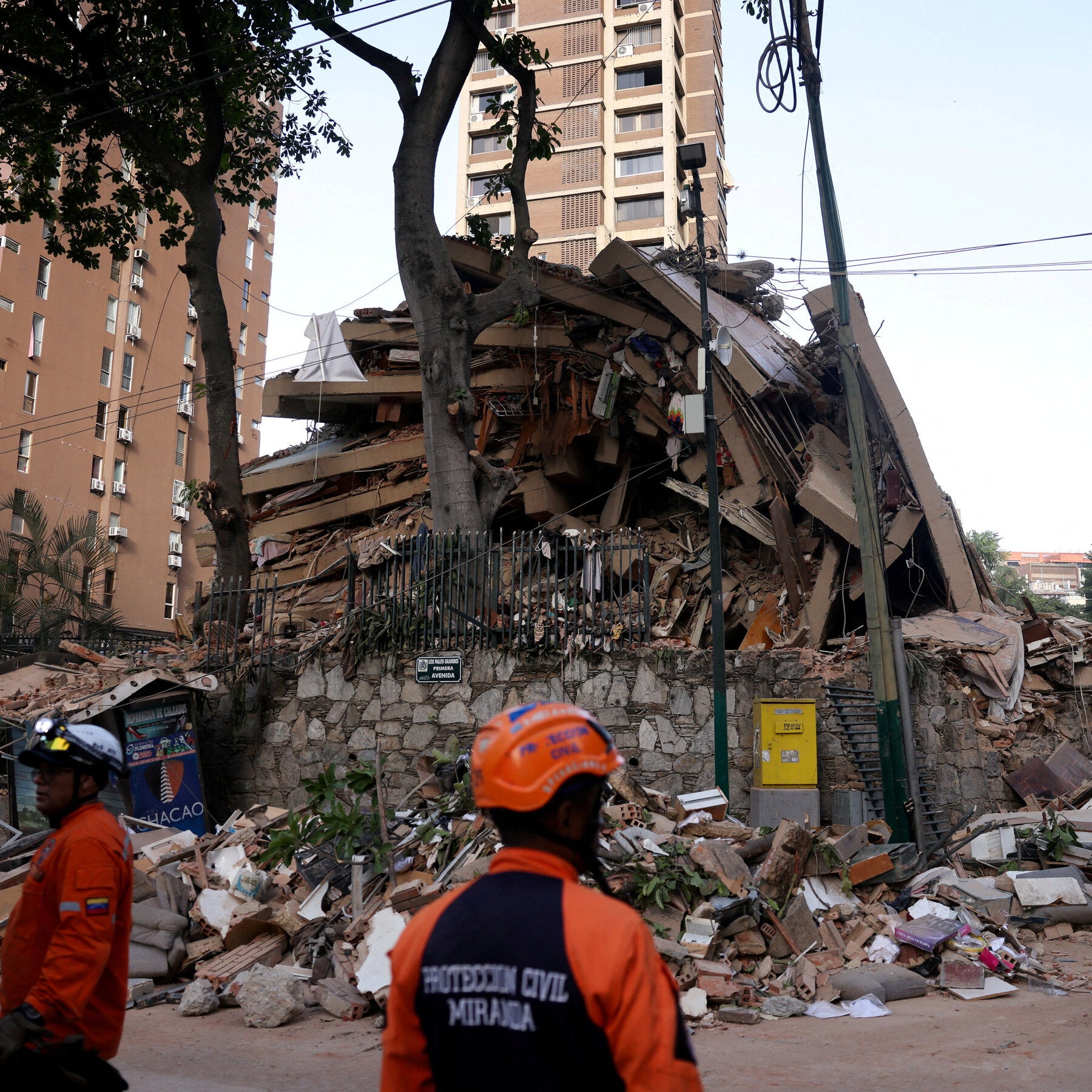
Last month, Venezuela's northern coast was struck by a rare 'double jolt' of significant magnitude earthquakes, an event that has profoundly intrigued and challenged the global seismological community. Unlike the more common mainshock-aftershock patterns, these twin tremors occurred mere hours apart, presenting geologists with a compelling and complex puzzle. The initial powerful magnitude 6.5 earthquake was centered deep beneath the Caribbean Sea, just off Venezuela's central coast, causing considerable swaying in buildings as far away as Caracas and sparking widespread concern. In response, scientists are rapidly converging on the affected region, deploying a wide array of sophisticated instruments and analytical techniques. Their urgent mission is to gather critical, ephemeral data before it's lost, with the aim of painting a more detailed picture of this uncommon geological event. This intensive investigation seeks not only to meticulously understand the specific dynamics of these twin quakes but also to potentially unlock deeper secrets regarding the Earth's dynamic crust and the complex forces that drive such rare seismic phenomena, offering new insights into planetary processes.