Serbia's Vučić Falls in Vote, Echoing Hungary's Orbán Downfall
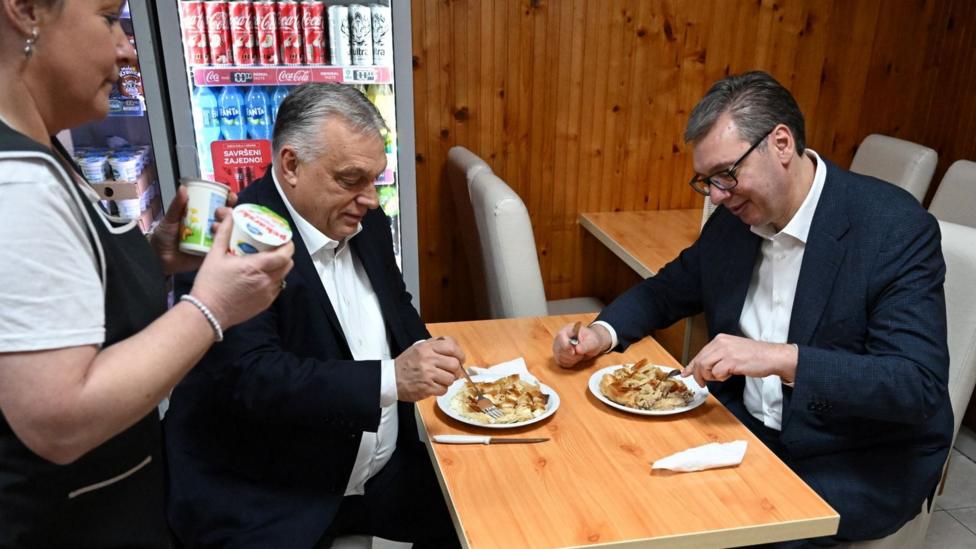
Serbian President Aleksandar Vučić suffered a significant defeat in last weekend's vote, a result that closely mirrors the recent political downfall of Hungarian Prime Minister Viktor Orbán. The parallel collapses of two of Central and Eastern Europe's most dominant leaders signal a potential shift in the region's political landscape. Both leaders had long been seen as virtually unassailable, using state media and legal maneuvers to consolidate power. Vučić's loss, like Orbán's before him, came amid growing public discontent over economic stagnation, corruption allegations, and a perceived drift toward autocracy. The Serbian vote saw a surge in support for opposition coalitions that campaigned on EU integration and democratic reforms, while Orbán's Fidesz party lost its parliamentary supermajority in a similar wave of protest. Analysts note that the twin defeats could embolden pro-democracy movements in neighboring countries and weaken the informal axis of illiberal governance that Vučić and Orbán had cultivated. For the European Union, the developments may ease tensions over rule-of-law disputes and open new avenues for engagement with Belgrade and Budapest. The coming weeks will test whether the opposition can translate electoral gains into stable governments, but the message from voters is clear: the era of unchallenged strongman politics in the region is facing its greatest challenge yet.