Satellite Imagery Confirms Severe Damage to Key Oil Pipeline, Threatening Global Supply Amid Geopolitical Tensions
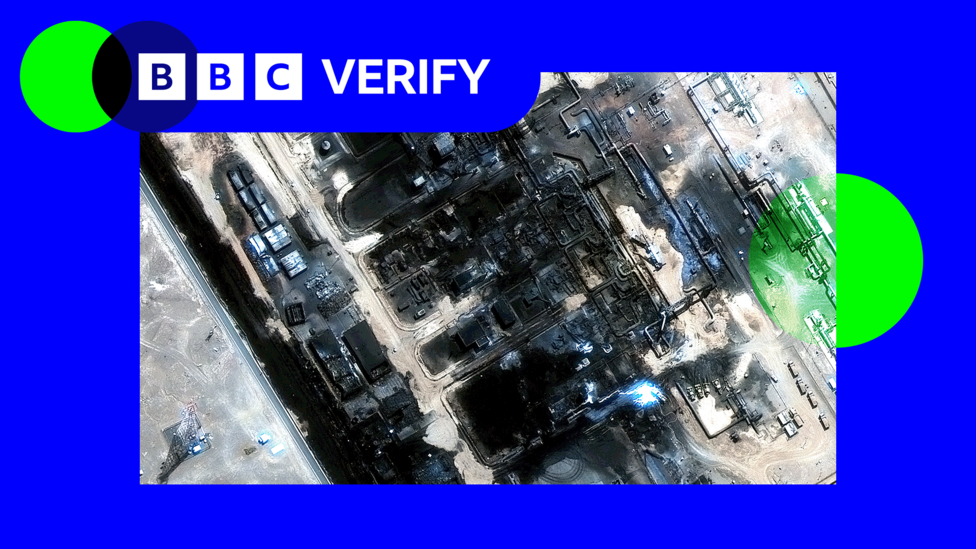
New satellite imagery analyzed by BBC Verify reveals extensive destruction at the Trans-Saharan Pipeline, a critical artery linking Nigeria’s oil fields to export terminals in Niger and beyond. The damage—visible as large-scale structural breaches and debris fields—has led experts to confirm the pipeline is offline, potentially disrupting up to 3.6 million barrels of crude oil per day. This loss represents nearly 4% of global daily oil output, significantly impacting energy markets already strained by geopolitical instability in North Africa and the Middle East. The pipeline's shutdown follows months of reported sabotage attempts and rising insecurity in the region, with local authorities citing armed groups as likely perpetrators. The economic fallout could ripple across Europe and Asia, where refineries dependent on West African crude face supply shortfalls. Major energy firms such as Shell and TotalEnergies, which have historically relied on this route, may need to reroute shipments through longer, more expensive maritime corridors. Analysts warn that even a temporary closure could spike regional fuel prices and amplify inflationary pressures. With no immediate repair timeline announced, the situation underscores vulnerabilities in aging infrastructure and the growing risks of operating in conflict-affected zones. As international observers assess the long-term implications, the incident highlights the fragility of global energy networks. The failure of the Trans-Saharan Pipeline serves as a stark reminder that infrastructure security is now a frontline issue in energy policy. For now, markets remain on high alert, watching for updates from Nigerian and Nigerien officials—and any signs of progress toward restoration.