Myanmar Genocide Verdict: ICJ Ruling on Rohingya Atrocities Explained
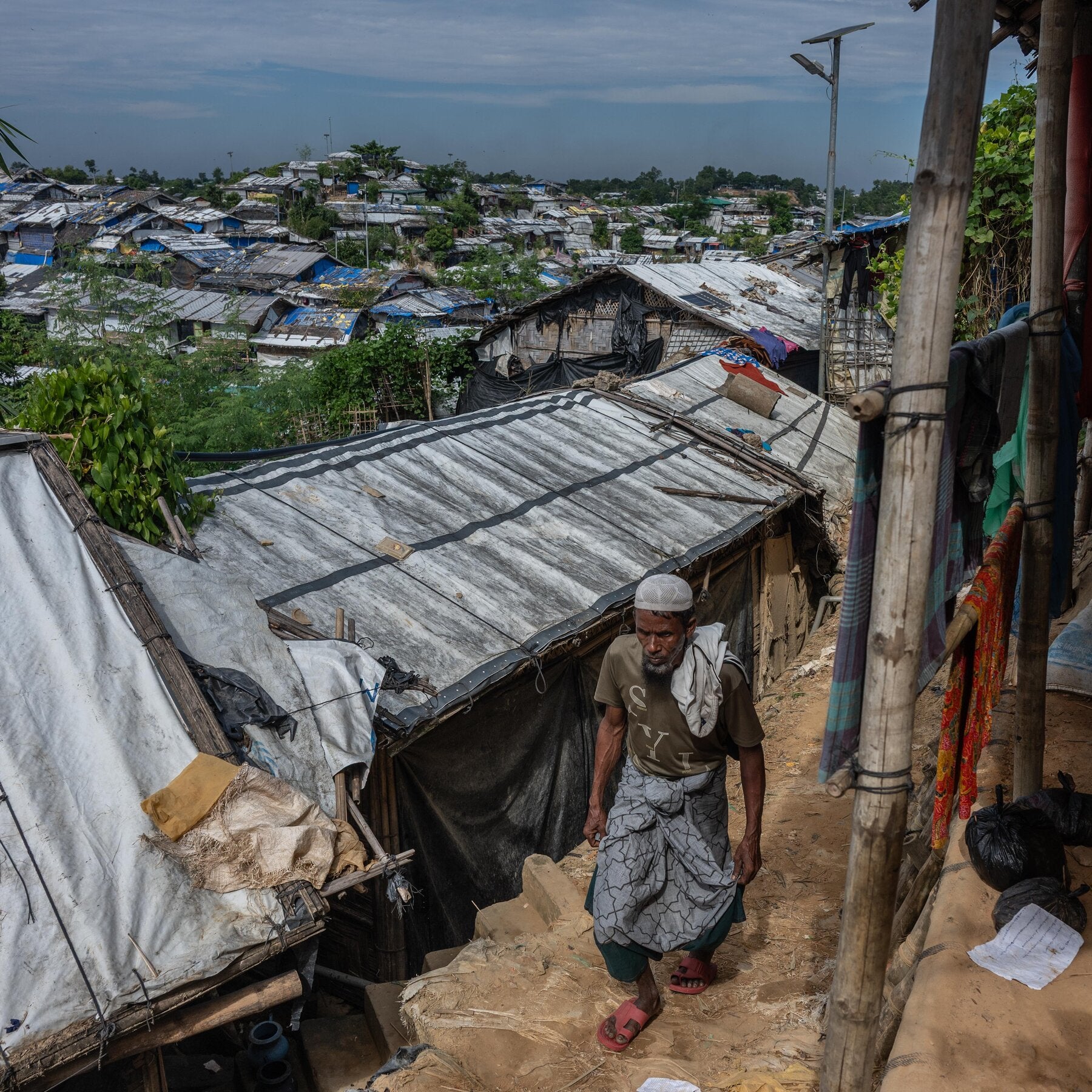
The International Court of Justice (ICJ) has delivered a landmark verdict on whether Myanmar committed genocide against the Rohingya minority. The case, brought by The Gambia on behalf of the Organisation of Islamic Cooperation, alleges that Myanmar's military carried out widespread killings, rape, and destruction of Rohingya villages in 2017, forcing over 700,000 people to flee to Bangladesh.
The ruling is significant as it marks the first time an international court has ruled on Myanmar's treatment of the Rohingya, and it could set a precedent for holding states accountable for genocide under the 1948 Genocide Convention. While the ICJ's decision is legally binding, enforcement remains a challenge, as Myanmar has rejected the court's jurisdiction and continues to deny genocide allegations.
The verdict is expected to influence ongoing proceedings at the International Criminal Court and could bolster calls for targeted sanctions and other measures against Myanmar's military leaders. Ultimately, the ruling offers a measure of hope for justice to the Rohingya community, though its real-world impact will depend on international pressure and political will.