Joseph Kabila's Rebel Alliance: What It Means for DR Congo's Future
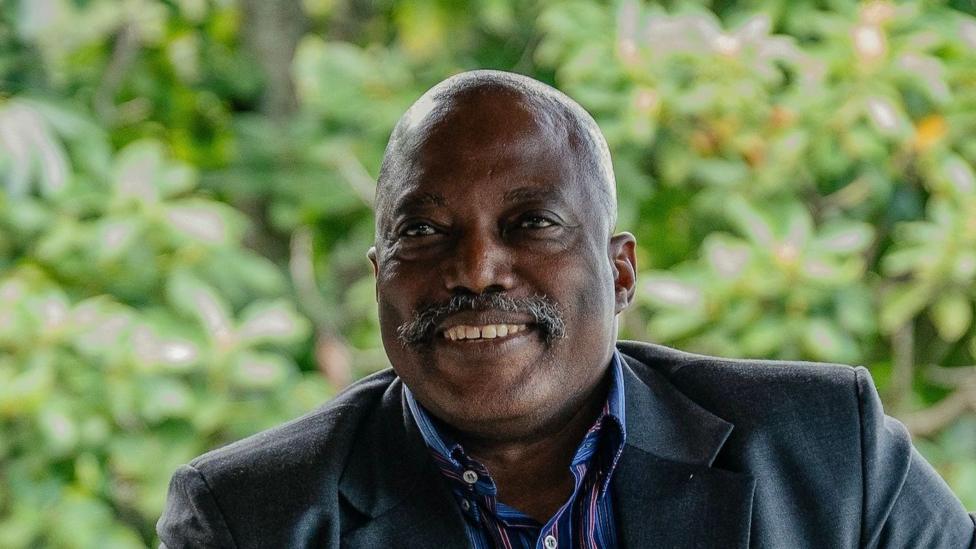
Former Democratic Republic of Congo President Joseph Kabila has emerged as the leader of a new rebel movement, marking a dramatic shift from statesman to insurgent. The development signals a deepening political crisis in the central African nation, where Kabila ruled for 18 years before ceding power in 2019. His return to the fray—this time on the battlefield—raises urgent questions about stability, governance, and the risk of renewed civil conflict. Observers note that Kabila retains significant loyalist networks and financial resources, which could fuel a protracted insurgency. The move comes amid rising tensions with current President Félix Tshisekedi, whose government has accused Kabila of backing armed groups in the east. International actors, including the United Nations and African Union, are watching closely, fearing a repeat of the devastating Congo wars that drew in neighboring countries and killed millions. For ordinary Congolese, the prospect of another rebellion brings memories of displacement, violence, and economic collapse. The stakes are high: if Kabila's alliance gains traction, it could redraw the country's political map and further destabilize the Great Lakes region. The coming weeks will test both Kabila's support base and the government's ability to maintain control.