Israel Election Deadlock: Netanyahu and Rivals Fail to Secure Majority, Arab Lawmakers Emerge as Kingmakers
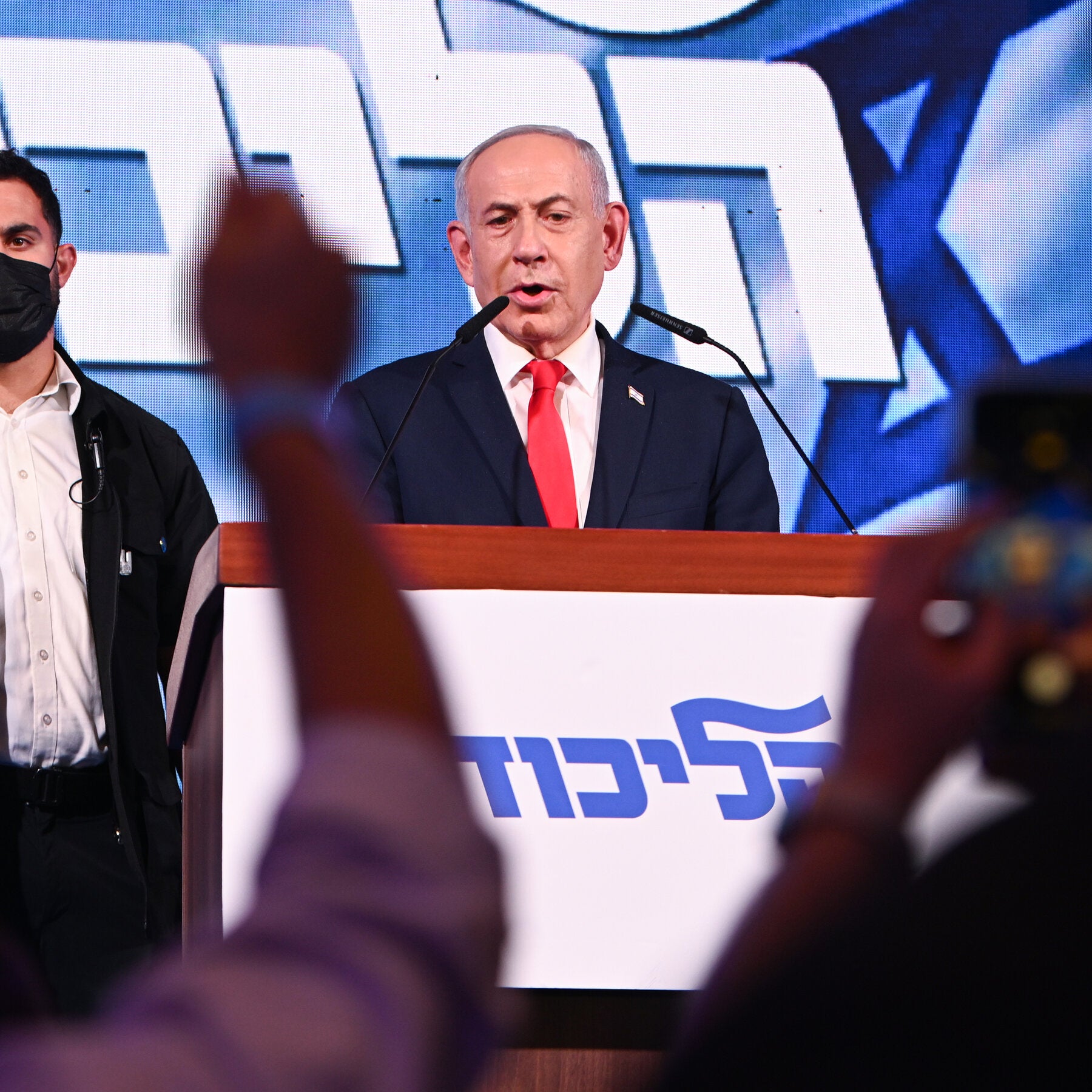
Israel's latest election has ended in political deadlock, with neither Prime Minister Benjamin Netanyahu nor his centrist rivals securing a majority in the 120-seat Knesset. The inconclusive result leaves the Arab-majority Joint List party holding the balance of power, potentially determining the country's next government. The election, the second this year after April's failed coalition talks, underscores deep divisions over Netanyahu's leadership and his possible indictment on corruption charges. With no clear path to a governing coalition, Israel faces weeks of negotiations or even a third election. The outcome could reshape Israeli politics, as Arab parties, historically marginalized, may now play a decisive role in forming a government. This shift could influence policies on peace, security, and domestic equality, making the post-election maneuvering as critical as the vote itself. As Israel enters a period of intense political bargaining, the question remains: will this deadlock lead to a unity government, a fragile coalition, or yet another trip to the polls? The answer will shape the nation's future amid rising tensions and economic challenges.