Rubio's Gulf Diplomacy: Quelling Iran Deal Unease Among Key Allies
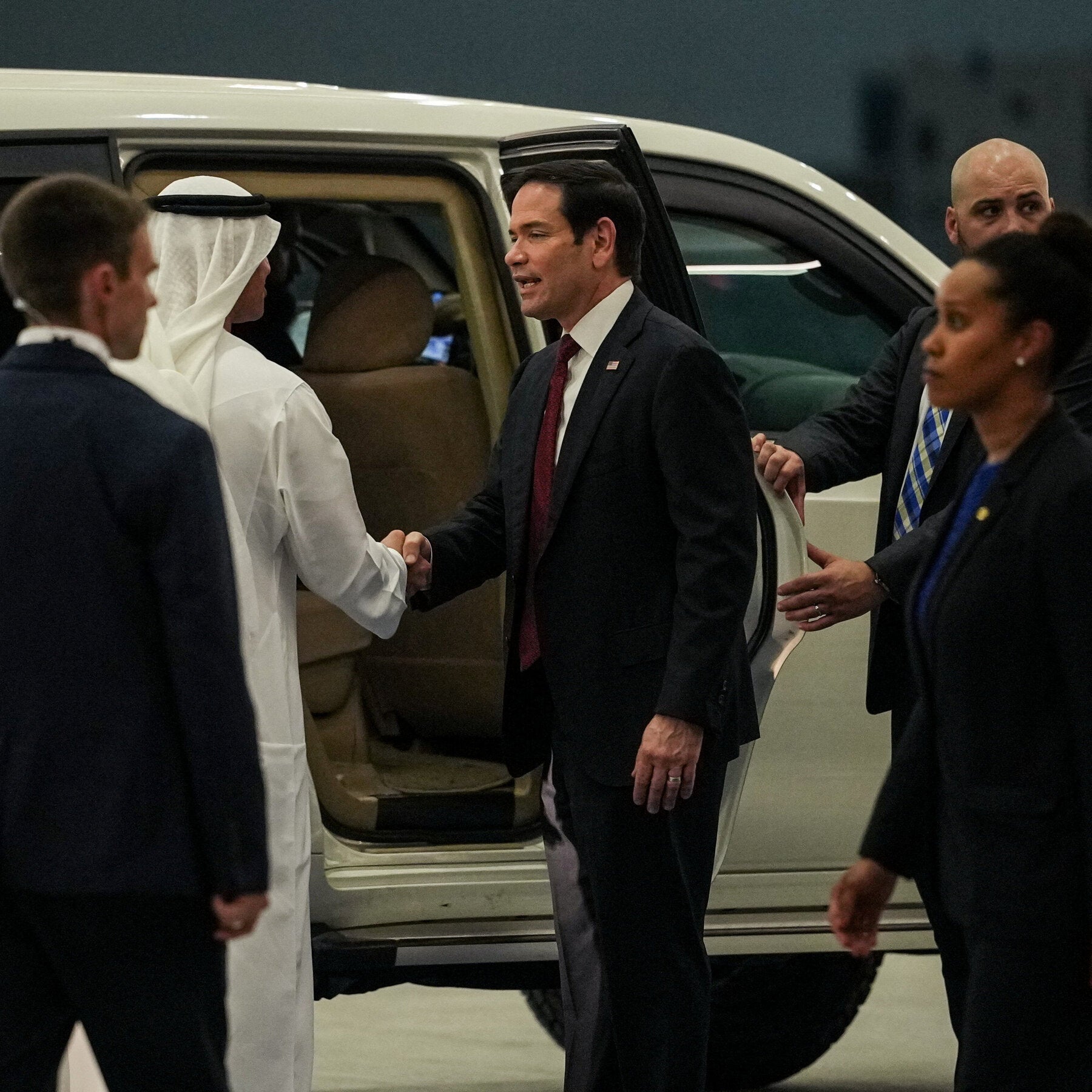
Secretary of State Marco Rubio recently embarked on a critical diplomatic mission to the heart of the Persian Gulf, a region grappling with significant anxiety and distrust over the Biden administration's renewed efforts to secure an Iran nuclear deal. His itinerary included pivotal stops in Abu Dhabi, Kuwait City, and Manama, capitals of nations that have historically endured the impact of Iranian aggression and now regard Tehran's potential rehabilitation on the global stage with profound suspicion. Rubio's visit constituted a delicate balancing act, primarily aimed at assuaging the deep-seated security concerns of America's staunchest regional allies. Concurrently, he sought to lay the preliminary groundwork for a revived international accord with Iran, a policy imperative for Washington that nevertheless remains a substantial source of unease for those countries situated in Iran's immediate shadow. The implications of this diplomatic endeavor are immense, directly impacting the stability of a vital energy-producing region, the credibility and future direction of US foreign policy, and the very foundation of long-standing alliances within this geopolitically sensitive area. The success of his mission could determine regional power dynamics for years to come.