Glass Skyscrapers Transform City Skylines, But Are They Practical in a Warming World?
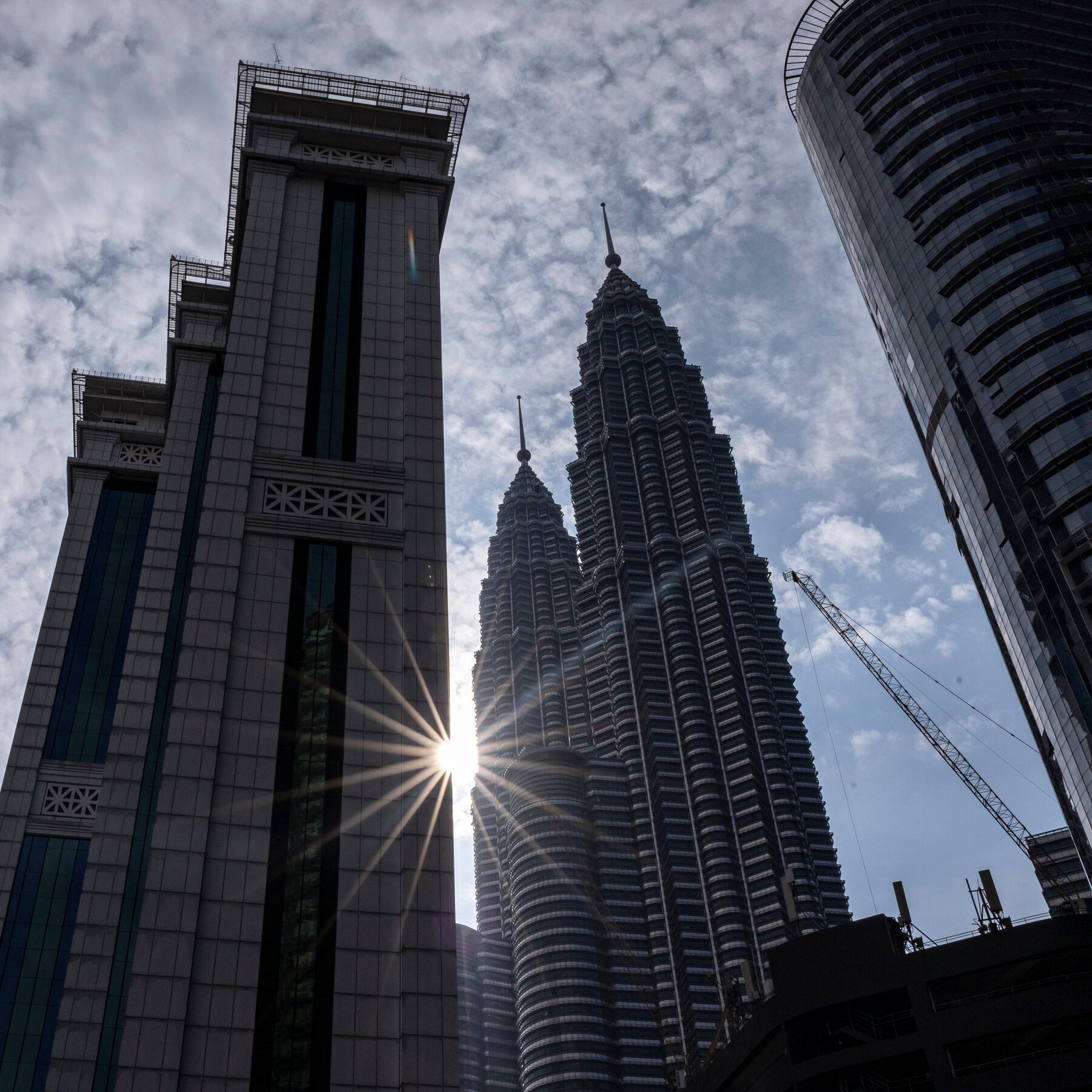
Glass-clad skyscrapers have become the defining feature of modern city skylines, from Dubai to New York, symbolizing progress and economic power. Yet as global temperatures rise, architects and urban planners are questioning whether these shimmering towers are sustainable. Buildings account for nearly 40% of global energy-related carbon emissions, and glass facades are a major culprit. They trap heat, forcing air conditioning systems to work harder, which in turn increases energy consumption and greenhouse gas emissions. In cities like London and Toronto, where glass towers dominate, residents face soaring cooling costs and uncomfortable indoor temperatures during heatwaves. The trend shows no sign of slowing, with hundreds of glass skyscrapers under construction worldwide, particularly in fast-growing Asian cities. However, some architects are now advocating for alternative materials and designs, such as shaded facades, natural ventilation, and high-performance glazing, to reduce reliance on air conditioning. The debate is not just about aesthetics but about the long-term livability of urban environments. As climate change intensifies, the future of the glass skyscraper may depend on its ability to adapt—or be replaced by more climate-conscious designs.