Lebanon's Fragile Future: The High-Stakes Diplomacy Between Washington, Tehran, and the Shadow of War
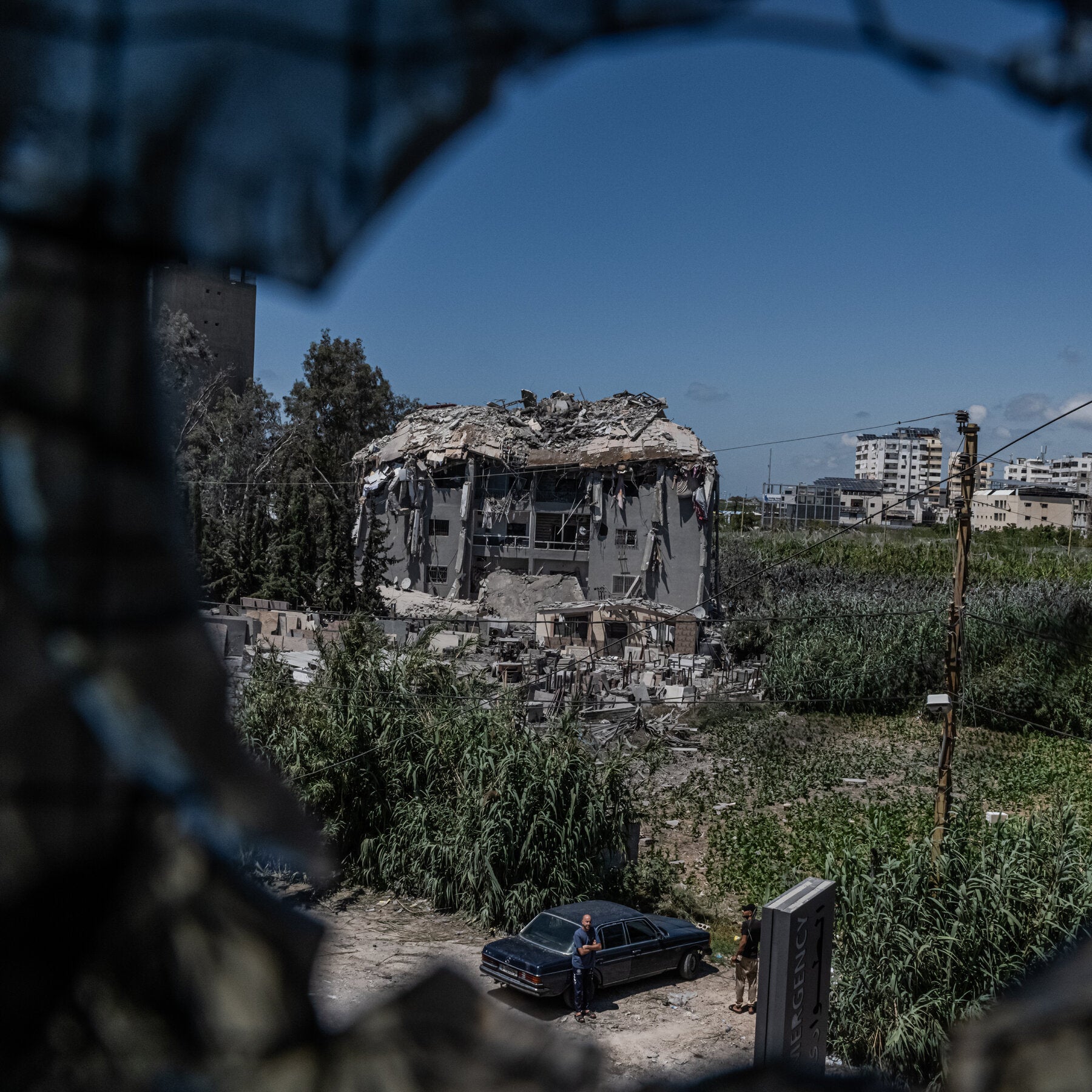
As Washington and Tehran explore an initial peace framework, the Lebanese people find themselves caught in the crossfire of geopolitical shifts. The potential for a de-escalation between Israel and Hezbollah hinges not on domestic stability, but on the evolving diplomatic relationship between their primary international patrons. For decades, Lebanon has served as the frontline for regional power struggles, with its sovereignty often treated as a secondary concern in the grander scheme of Middle Eastern security. While a U.S.-Iran rapprochement offers a glimmer of hope for a ceasefire, citizens remain deeply skeptical of being treated as bargaining chips. This analysis examines the precarious position of Lebanon, the strategic calculations of Hezbollah and Israel, and the necessity of focusing on long-term national sovereignty rather than merely shifting the parameters of proxy warfare. The outcome of these high-level negotiations will ultimately dictate whether the region moves toward a durable stability or remains trapped in a cycle of externally-driven violence.