Denmark Condemns Russian Warship for Firing Flares at Military Helicopter in Baltic Sea
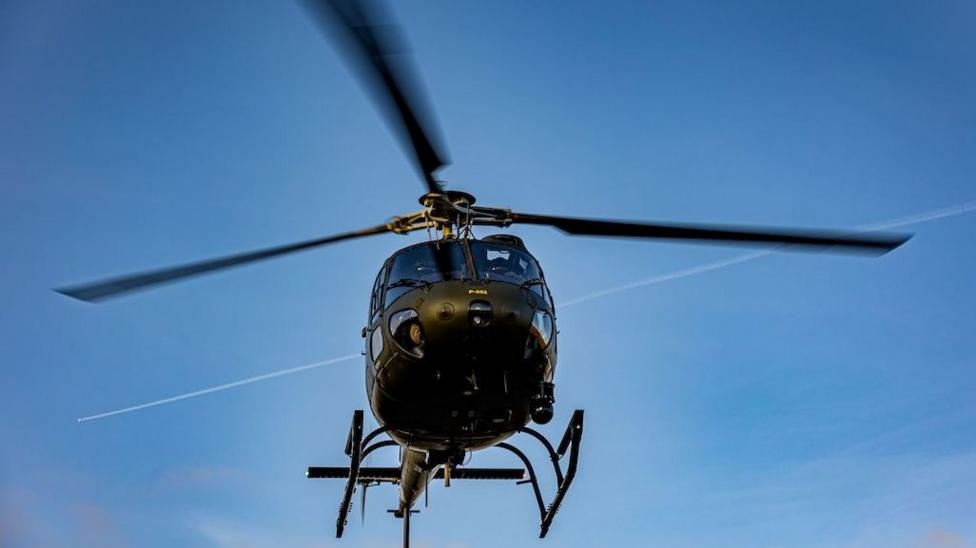
Denmark’s Prime Minister Mette Frederiksen has denounced a recent incident in the Baltic Sea where a Russian warship reportedly fired flares at a Danish military helicopter, calling the action 'reckless' and a clear escalation of tensions. The event occurred near the Danish island of Bornholm, a strategically significant location close to Russia’s Kaliningrad exclave. Danish defense officials confirmed the helicopter was conducting routine surveillance when it encountered the Russian vessel, identified as part of the Baltic Fleet, which deployed flare systems—typically used for signaling or defensive countermeasures—without prior communication. The move prompted an immediate diplomatic protest from Copenhagen, underscoring growing unease over Russia’s increasing military activity in the region. The incident highlights a broader pattern of heightened naval encounters between NATO members and Russian forces in the Baltic and North Seas. Denmark, a NATO ally since 1949, has been intensifying its defense posture amid rising concerns about Russian aggression following the full-scale invasion of Ukraine in 2022. With several NATO exercises scheduled in the region this year, including the large-scale 'Baltic Operations' drill involving over 50,000 troops from 10 nations, such incidents are seen as deliberate provocations aimed at testing alliance responses. The Kremlin has not yet issued a statement, leaving the international community awaiting clarification on whether the actions were intentional or misinterpreted. Why it matters: This event underscores the fragile security environment in Northern Europe and raises questions about de-escalation protocols in contested maritime zones. As Russia continues to assert dominance in the Baltic, NATO's collective response will be closely watched. For Denmark and its allies, maintaining vigilance and coordinated defense readiness is no longer optional—it’s essential. The coming days may reveal whether diplomatic channels can prevent further incidents or if tensions will escalate into a more serious confrontation.