Chicago Marathon Heat Forces Runners to Adapt as Climate Change Disrupts Racing
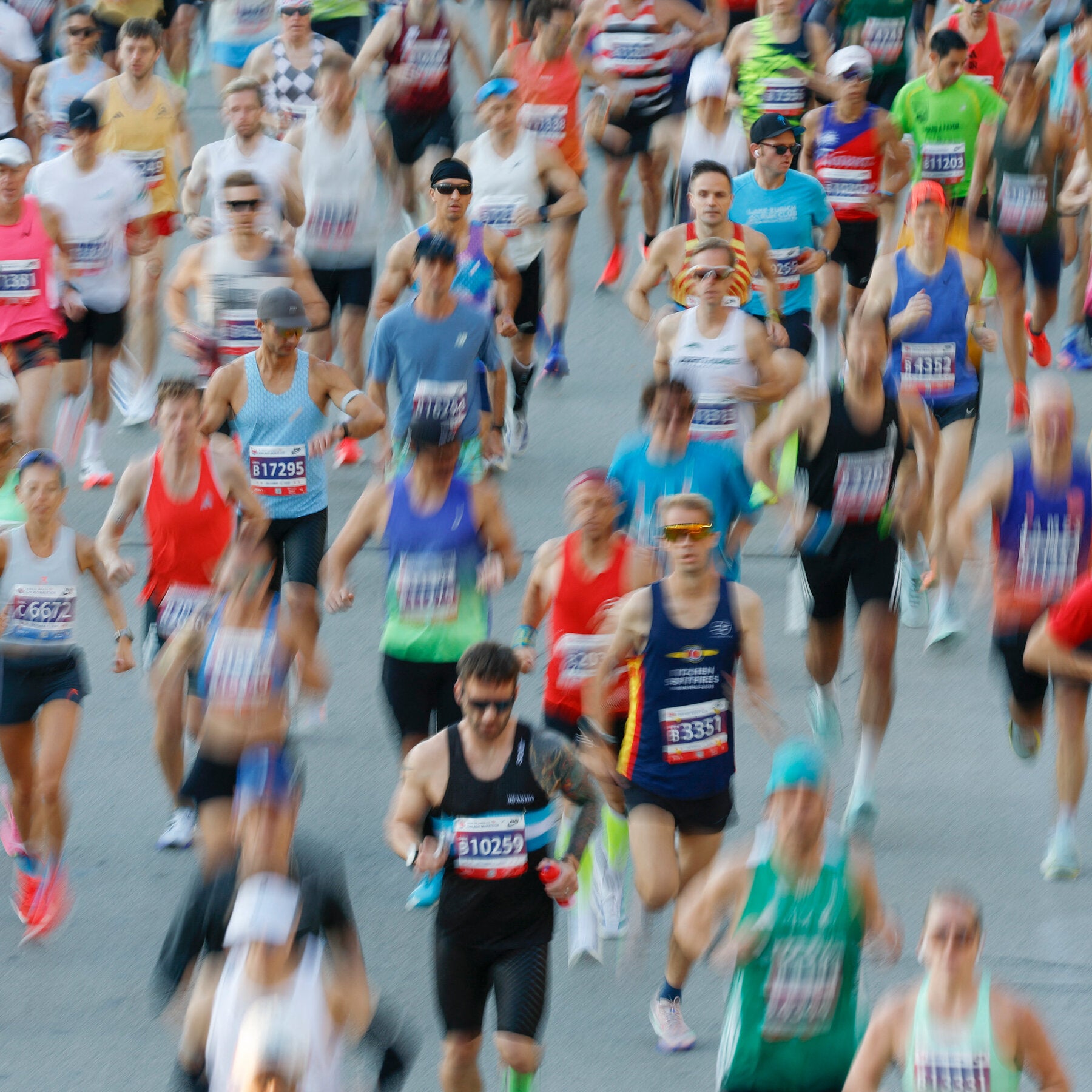
The Chicago Marathon, one of the world's premier road races, is becoming a stark example of how rising temperatures are reshaping competitive running. A recent firsthand account from a newsletter host who raced in Chicago reveals the brutal toll of warmer conditions, with athletes facing unexpected heat, humidity, and health risks. The event, typically held in October, has seen increasingly unseasonable warmth, pushing organizers and participants to rethink strategies. Key figures in the running community are now calling for adjusted start times, enhanced cooling stations, and revised training protocols. The disruption extends beyond elite runners to the tens of thousands of amateurs who make up the bulk of marathon fields. As climate data shows a clear warming trend in major race cities, the sport's governing bodies are under pressure to safeguard athletes. The Chicago experience underscores a broader shift: marathons are no longer just tests of endurance but battles against a changing climate. Runners and race directors alike must adapt or risk the future of mass participation events.