Beyond the Canvas: Why the Venice Biennale Has Become the World's Most Politically Charged Stage
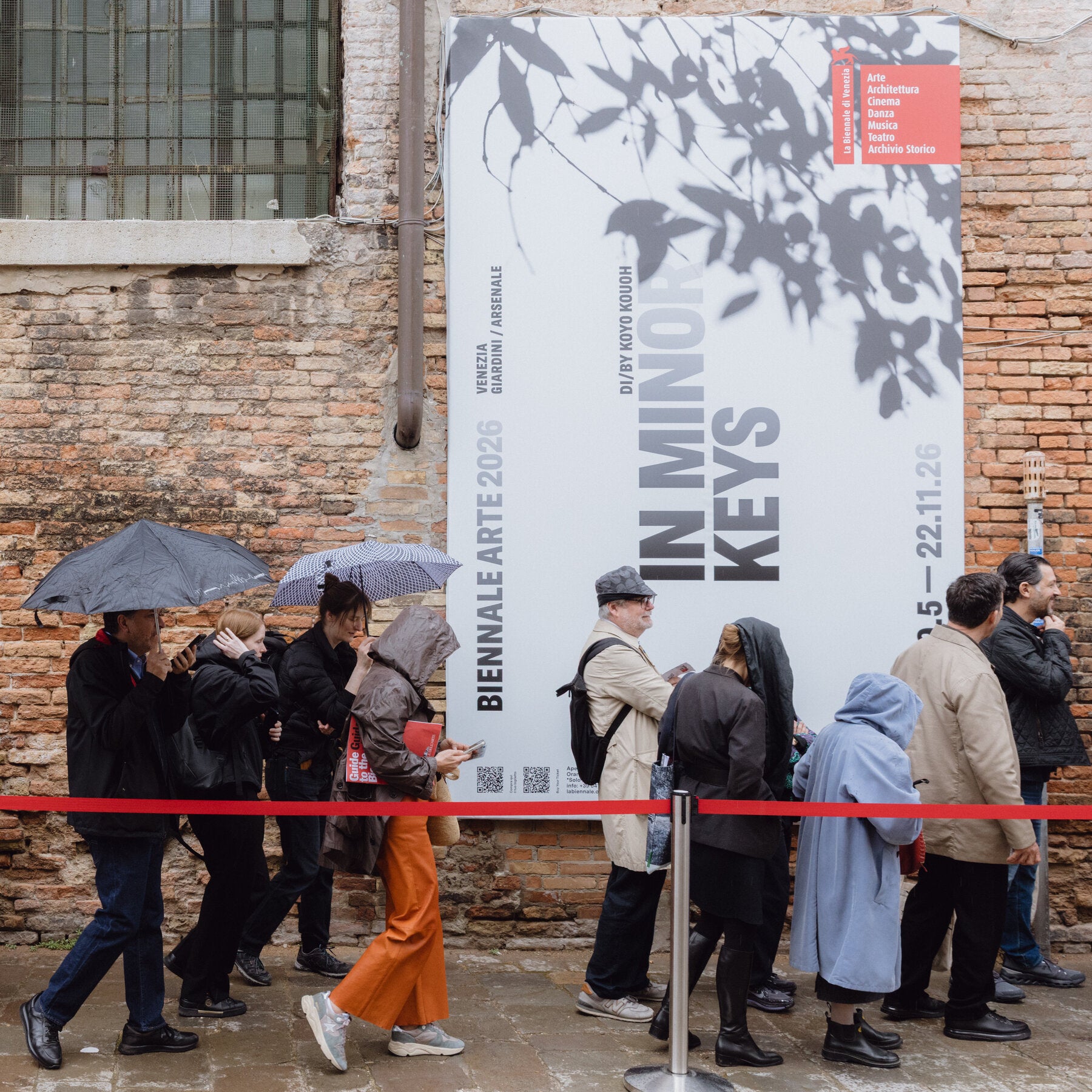
The Venice Biennale, traditionally known as the pinnacle of aesthetic achievement, has shifted its focus to become a primary site of geopolitical confrontation. This year’s exhibition highlights a profound trend where national pavilions operate less as cultural showcases and more as instruments of soft power, addressing global crises ranging from war and migration to political instability. Our report explores the tension between artistic intent and political mandate, observing how the modern visitor experiences a Biennale that demands constant engagement with the fractures of modern society. While some critics argue that the weight of these messages overshadows the artistic medium, others see it as a necessary evolution of the curator's role in a volatile world. By examining the impact of documentary-style installations and the burden of national representation, this article analyzes how the world’s most prestigious art event is permanently shifting toward becoming a global forum for civic discourse, ultimately questioning whether art can still function as an escape or if it is now strictly a mirror to the world’s darkest realities.