Why Airplane Cabin Lights Dim During Takeoff and Landing: A Critical Safety Protocol
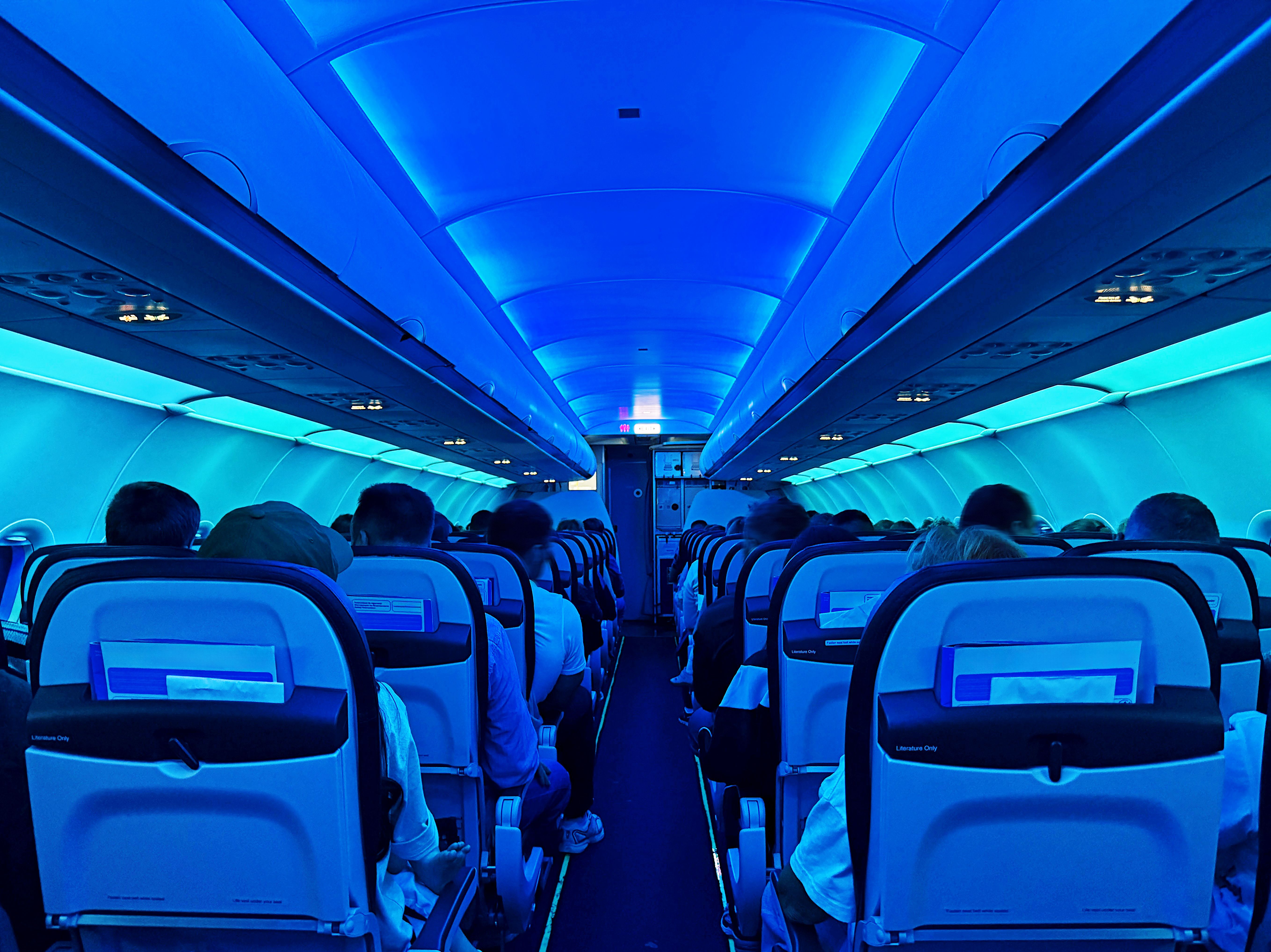
Passengers frequently notice cabin lights dimming during critical flight phases such as takeoff and landing, often attributing it to creating a relaxing ambiance or optimizing the view outside. However, an insightful analysis by Condé Nast Traveler reveals a far more significant and urgent purpose: it is a fundamental element of flight safety. This common aviation practice is not merely about passenger comfort or aesthetics, but rather an intentional and pivotal safety protocol designed to prepare everyone on board for unexpected scenarios. The underlying reasoning, straightforward yet crucial, plays a vital role in emergency preparedness. By dimming the lights, passengers' eyes become accustomed to potential external light conditions, making it easier to see and navigate during a sudden emergency, such as an evacuation. This critical adjustment period directly impacts how quickly and effectively passengers can react, highlighting a fundamental principle of aviation safety. It ensures that valuable seconds are not lost as eyes adjust to different light levels, thereby improving overall emergency response efficiency.