Why Solar Roofs Can’t Yet Power EVs Directly: The Efficiency and Cost Hurdles
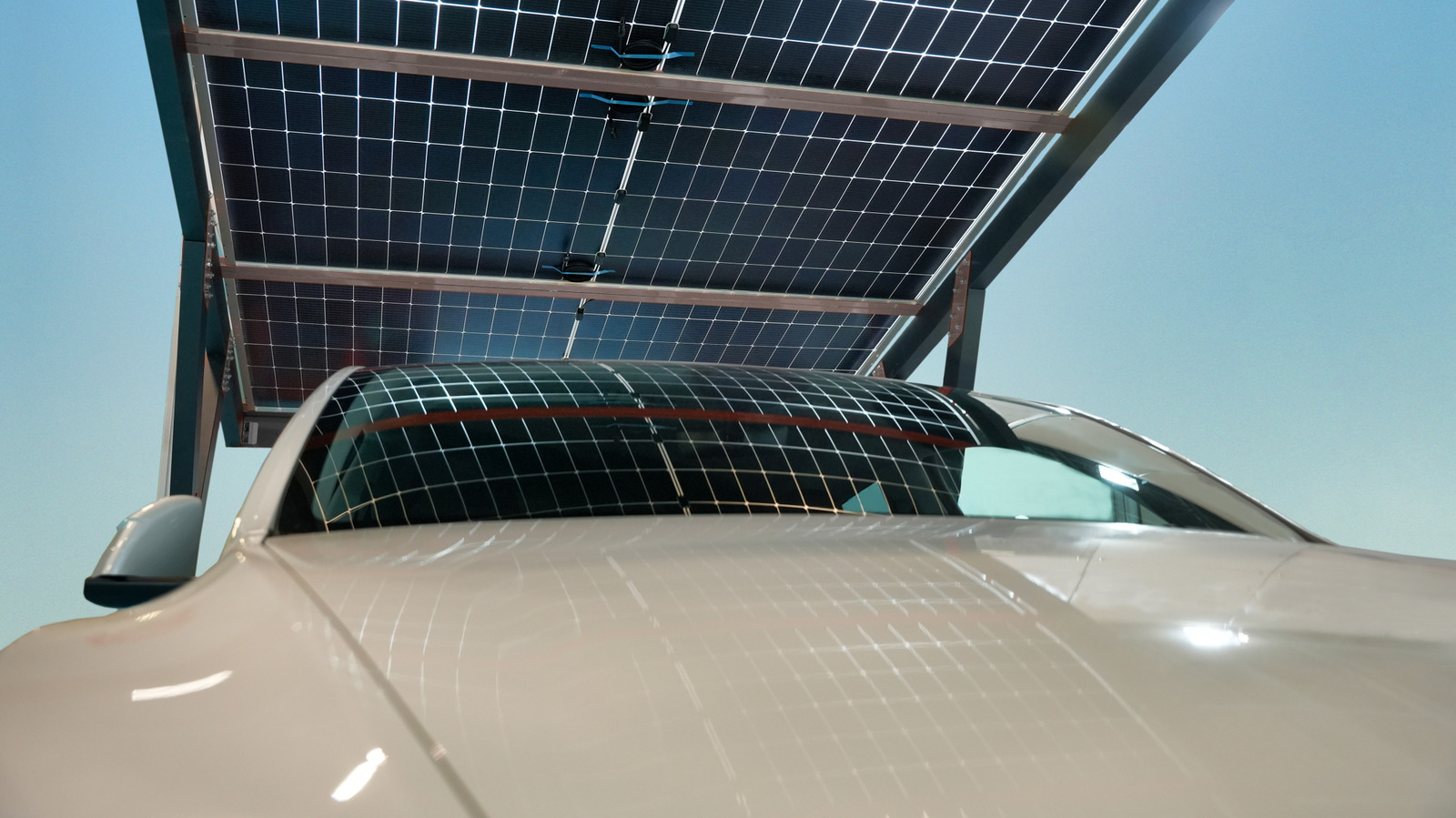
The dream of solar roofs directly powering electric vehicles is compelling: drive on sunshine, rarely plug in, and slash carbon footprints. But automakers and researchers are hitting hard physical and economic limits. Even under ideal conditions, a car roof’s small surface area captures only a fraction of the energy an EV needs. For example, a typical solar panel on a sedan might generate 200–400 watts, while a modern EV consumes 15–20 kilowatts at highway speeds. That means a full day of sunlight could add just 10–20 miles of range—far less than most daily commutes. Companies like Toyota, Hyundai, and Sono Motors have experimented with solar-integrated vehicles, but results remain modest. Toyota’s optional solar roof on the Prius Prime adds only about 3.7 miles of range per day. Sono’s Sion, which promised up to 21 miles of solar range daily, faced production delays and financial struggles before the program was paused. The core issue is physics: solar cells are only 20–25% efficient, and curved, partially shaded car roofs perform worse than flat, angled panels on homes. Cost is another barrier. High-efficiency, lightweight solar cells that can conform to a car’s shape are expensive, and integrating them without adding weight or compromising crash safety is complex. Automakers must also balance added expense against modest range gains, which many consumers may not find worthwhile. Until solar cell efficiency improves significantly or battery costs drop further, solar roofs will remain a niche supplement rather than a primary charging source. Still, the technology is advancing. Researchers are testing perovskite-silicon tandem cells that could exceed 30% efficiency, and transparent solar windows could expand the energy-capturing surface area. For now, solar roofs on EVs are best seen as a range extender for sunny climates, not a replacement for plugging in. The real breakthrough will come when a car can generate enough power from its own surface to cover most daily driving—something that remains years away.