Why Do Electrical Plug Prongs Have Holes? The Practical Reason Explained
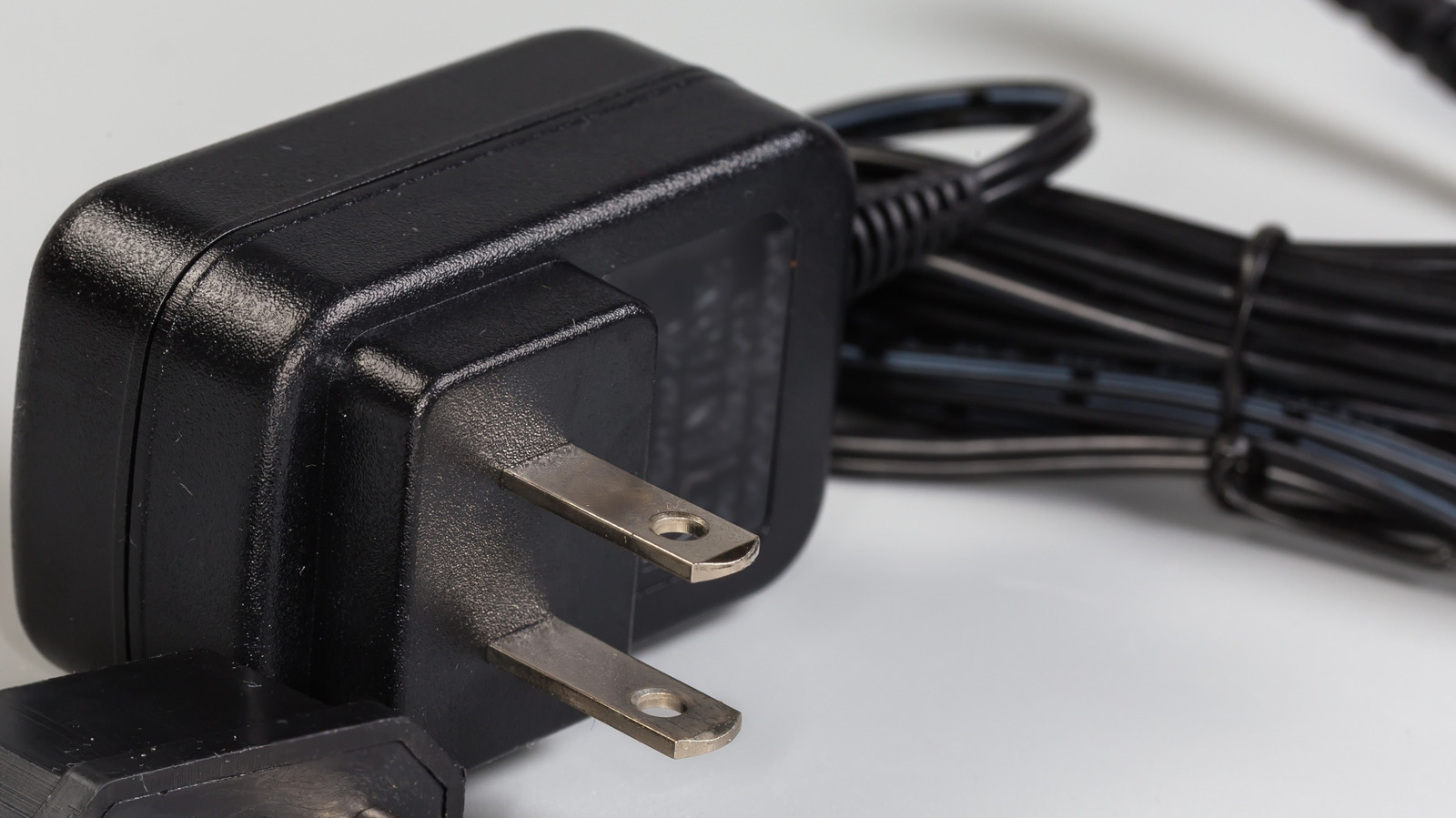
If you've ever unplugged a device and noticed small holes in the prongs, you're not alone. Many people wonder why some plugs have them and others don't—and the answer is more practical than mysterious. The holes, often found in Type A and Type B plugs common in North America, serve a specific purpose related to manufacturing and safety. They help secure the prongs during the molding process, ensuring the metal stays aligned when the plastic casing is formed around it. Additionally, the holes can provide a slight grip when inserted into certain outlets, though this is a secondary benefit. While not all plugs have them—especially those from other regions or for higher-current devices—the design persists because it's cheap and effective. Understanding this small detail can help consumers identify quality plugs and appreciate the engineering behind everyday objects. Next time you plug in your laptop, you'll know the holes aren't just for show.