The Rise and Stall of 8K TVs: Why the Ultra-High-Resolution Format Failed to Catch On
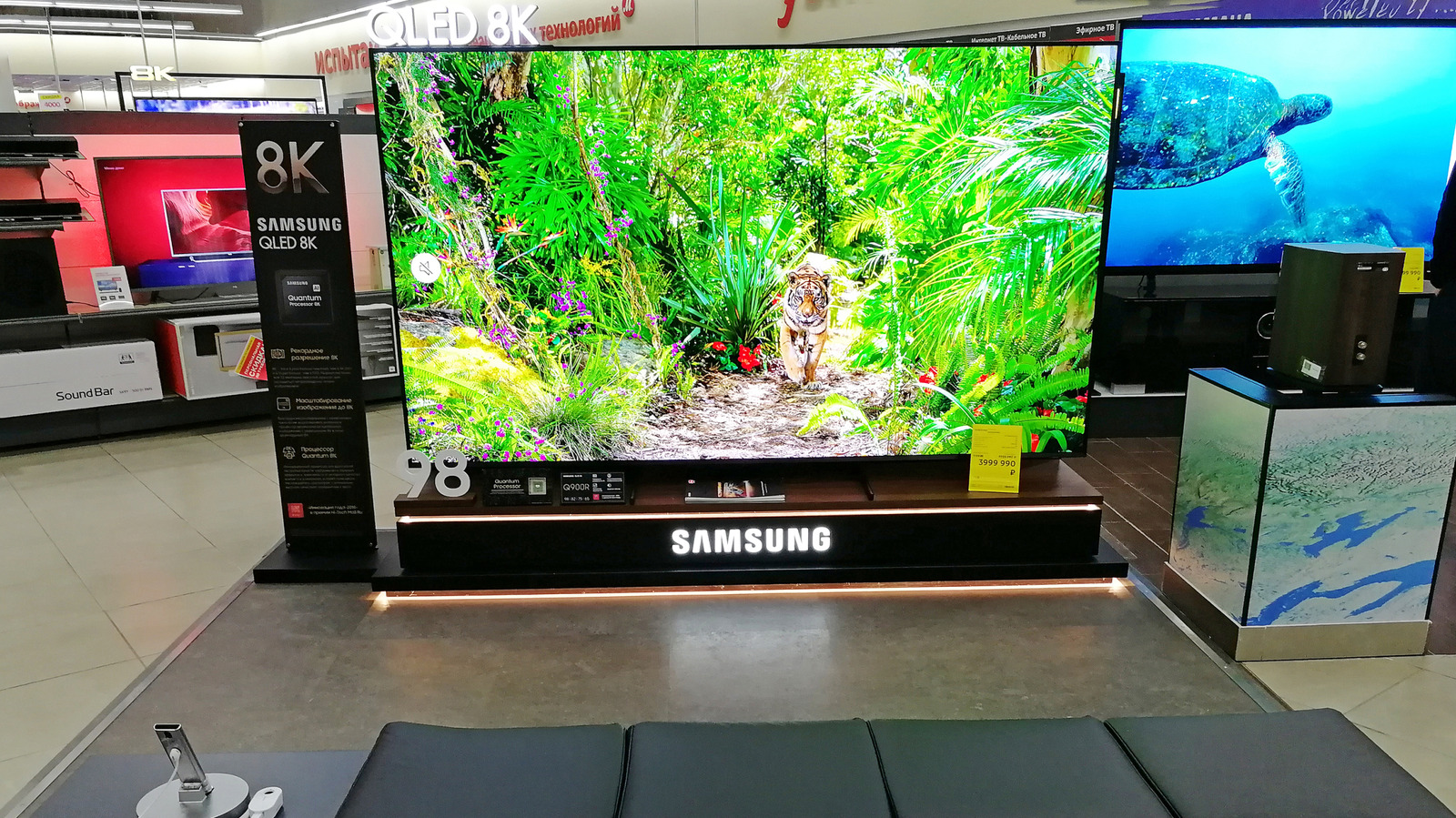
Just a few years ago, 8K TVs were touted as the next big leap in home entertainment, promising four times the pixels of 4K and an almost lifelike picture. Yet today, they are a rare sight on store shelves, with major manufacturers scaling back or exiting the market entirely. Companies like Samsung, LG, and Sony have shifted focus to OLED, QLED, and other technologies that offer more visible improvements, while 8K models remain niche products with limited content and high price tags. The lack of native 8K streaming services, broadcast standards, and physical media has left early adopters with little to watch in true 8K resolution, undermining the value proposition for most consumers. Additionally, the diminishing returns of higher pixel density at typical viewing distances mean that many viewers simply cannot perceive the difference between 4K and 8K. As a result, the 8K TV market has stalled, with sales figures remaining a fraction of 4K TV sales and no clear path to mainstream adoption. The industry's focus has instead turned to improving brightness, contrast, and smart features, leaving 8K as a cautionary tale of technology outpacing consumer demand. For now, 8K TVs are likely to remain a curiosity rather than a must-have upgrade.