Starlink vs. 5G: Speed, Coverage, and Which Internet Is Right for You
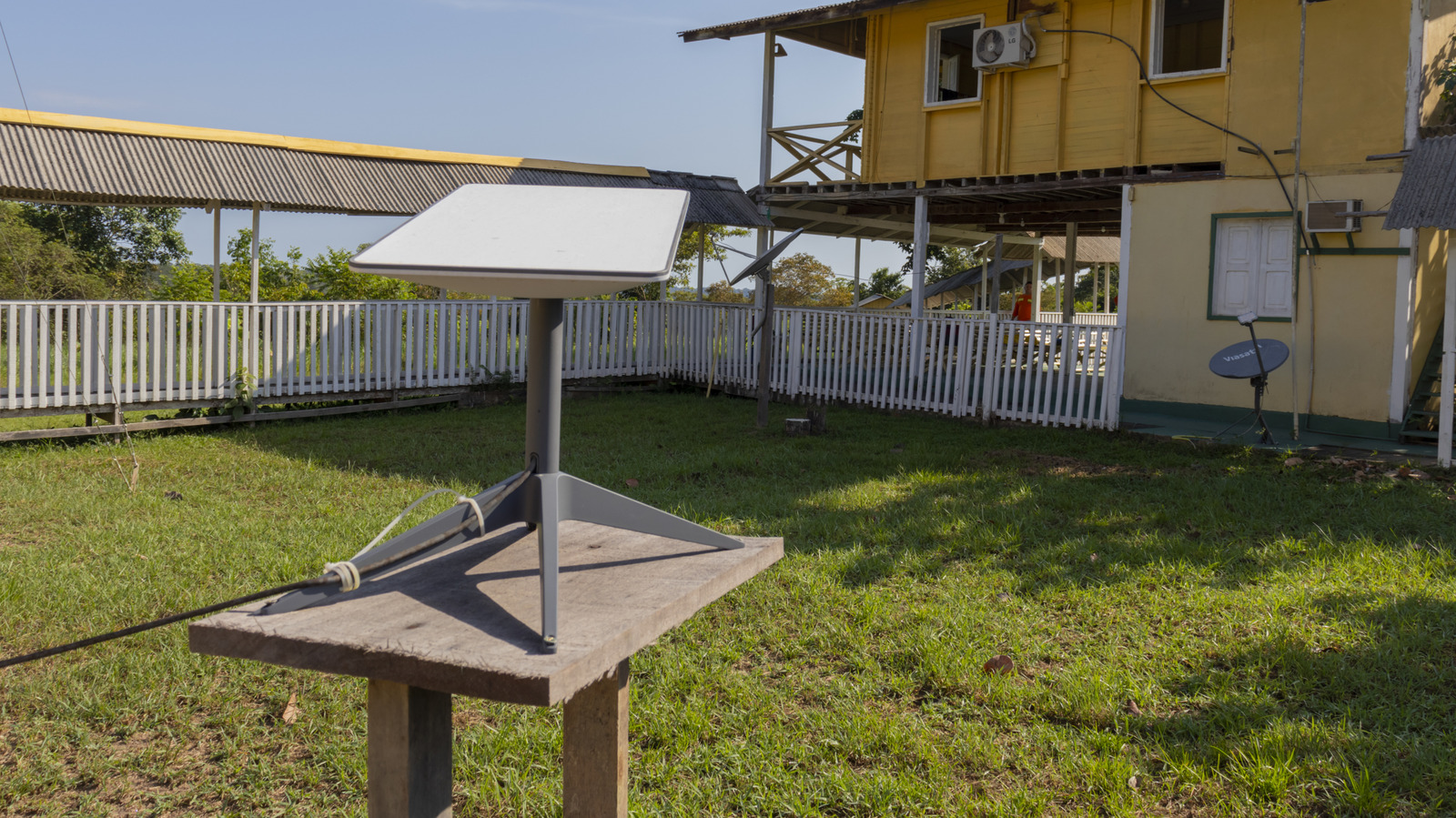
As high-speed internet becomes essential, consumers face a choice between satellite-based Starlink and terrestrial 5G networks. Both promise fast connections, but their real-world performance depends heavily on location and coverage. Starlink, operated by SpaceX, delivers broadband via low-Earth orbit satellites, making it ideal for rural and remote areas where traditional infrastructure is lacking. In contrast, 5G, deployed by carriers like Verizon, AT&T, and T-Mobile, offers ultra-fast speeds in urban centers but struggles with range and building penetration. While Starlink boasts download speeds up to 220 Mbps, 5G can exceed 1 Gbps in optimal conditions. However, latency remains a key difference: Starlink averages 25–50 ms, whereas 5G can achieve under 10 ms. For users in underserved regions, Starlink may be the only viable option, but city dwellers will likely find 5G more cost-effective and responsive. Ultimately, the best choice depends on your specific needs, budget, and geography. As both technologies evolve, expect faster speeds and broader coverage, but for now, know your location before you commit.