SpaceX Starship: Size, Power, and Role in NASA's Moon Mission
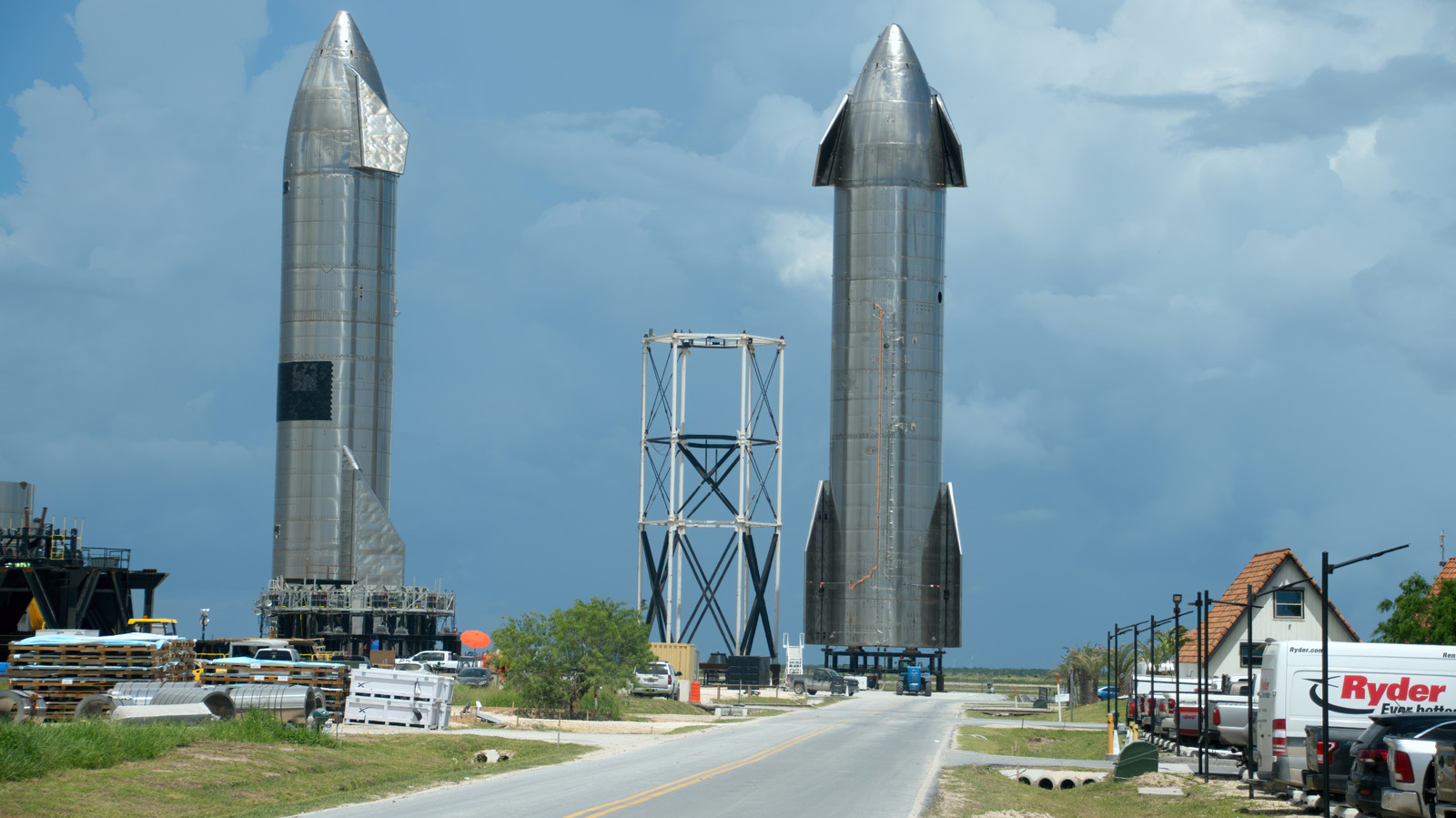
SpaceX's Starship stands as the most powerful launch vehicle ever built, designed to carry crew and cargo to the Moon, Mars, and beyond. The full stack—comprising the Super Heavy booster and the Starship upper stage—reaches a towering height of 121 meters (397 feet), surpassing the Saturn V and NASA's Space Launch System. Its 33 Raptor engines on the booster generate more than 7,600 metric tons of thrust, nearly double that of the Saturn V. Starship is central to NASA's Artemis program, which aims to return astronauts to the lunar surface. Under a $2.9 billion contract, SpaceX will provide a lunar lander variant of Starship for the Artemis III mission, currently targeted for 2026. The rocket's full reusability is intended to dramatically lower launch costs, potentially making space more accessible. Recent test flights have demonstrated key milestones, including booster catch landings and upper-stage controlled splashdowns. As development continues, Starship's success could reshape human space exploration for decades to come.