Refurbished vs. Pre-Owned Phones: Key Differences, Quality Standards, and What to Look For in 2024
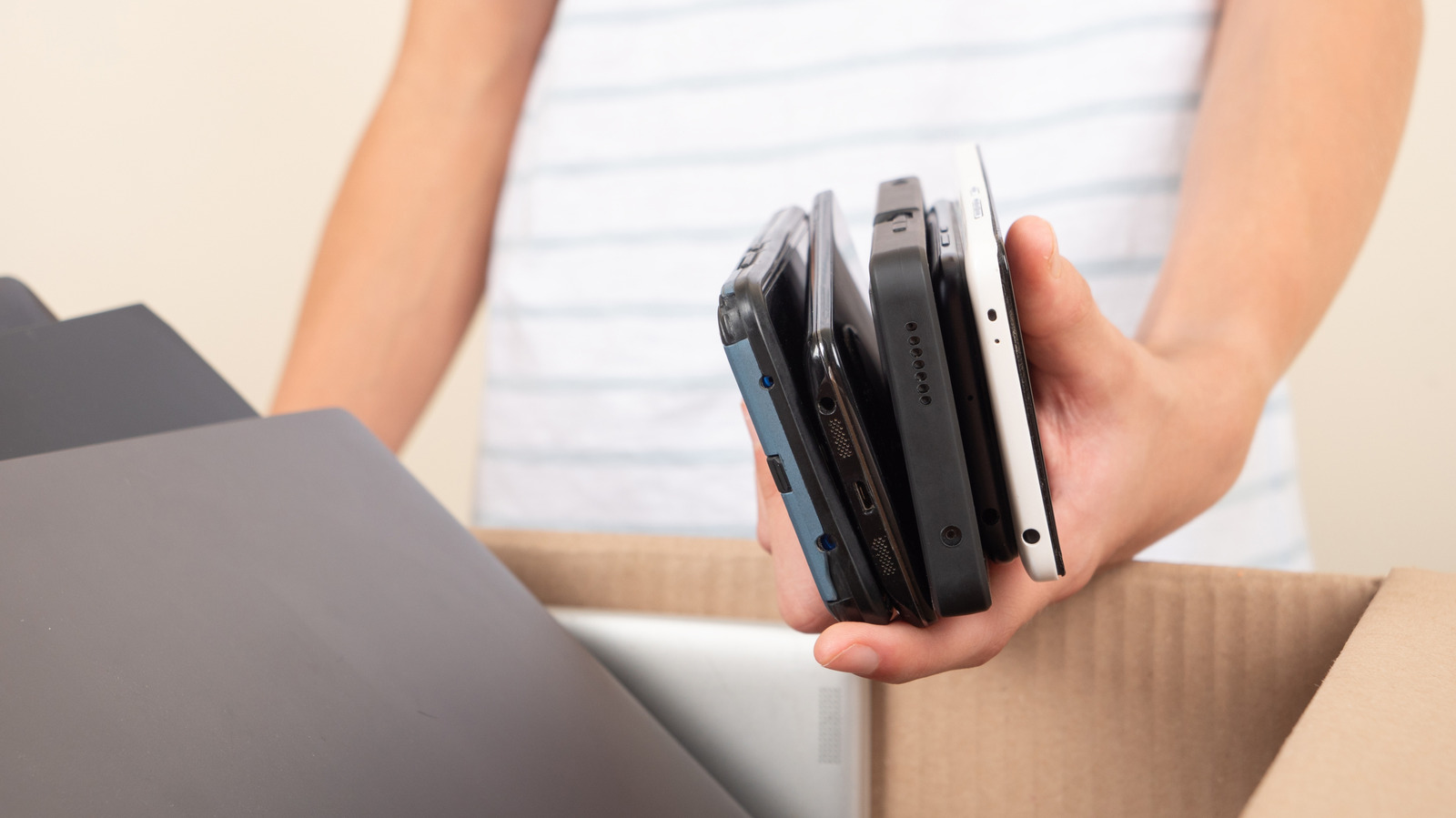
When shopping for a new smartphone without the premium price tag, consumers often face a choice between refurbished and pre-owned devices—two terms frequently used interchangeably but with distinct meanings. Refurbished phones, typically restored by manufacturers or authorized resellers like Apple’s Certified Refurbished program or Samsung’s Galaxy Refurbished lineup, undergo rigorous testing, component replacement if needed, and are often backed by warranties. In contrast, pre-owned phones are secondhand units sold directly by individuals or smaller marketplaces such as eBay, Facebook Marketplace, or Swappa, with no standardized quality checks. The key difference lies in consistency: while a refurbished iPhone 14 from Apple carries a 90-day warranty and factory-grade restoration, a pre-owned model may vary widely in condition, battery health, and software integrity. Understanding these distinctions is crucial for buyers seeking value without compromising reliability. According to industry reports, over 65% of refurbished smartphones sold in North America come with some form of warranty, compared to just 28% of pre-owned units. This gap highlights why platform policies and certification matter—companies like Back Market and Gazelle enforce strict grading systems (e.g., A-grade, B-grade) that assess screen damage, battery capacity, and functionality. Consumers should look for clear labeling, return policies, and third-party verification when purchasing. Ultimately, the decision hinges on risk tolerance and budget. For those prioritizing peace of mind and longevity, certified refurbished models from major brands offer superior assurance. For bargain hunters comfortable with variability, vetted pre-owned options can deliver significant savings. As demand for sustainable tech grows, transparency in grading and repair standards will become even more vital—making informed choices not just smart, but essential.