MagSafe Charging Pros and Cons: Why iPhone 15 and MacBook Users Are Divided
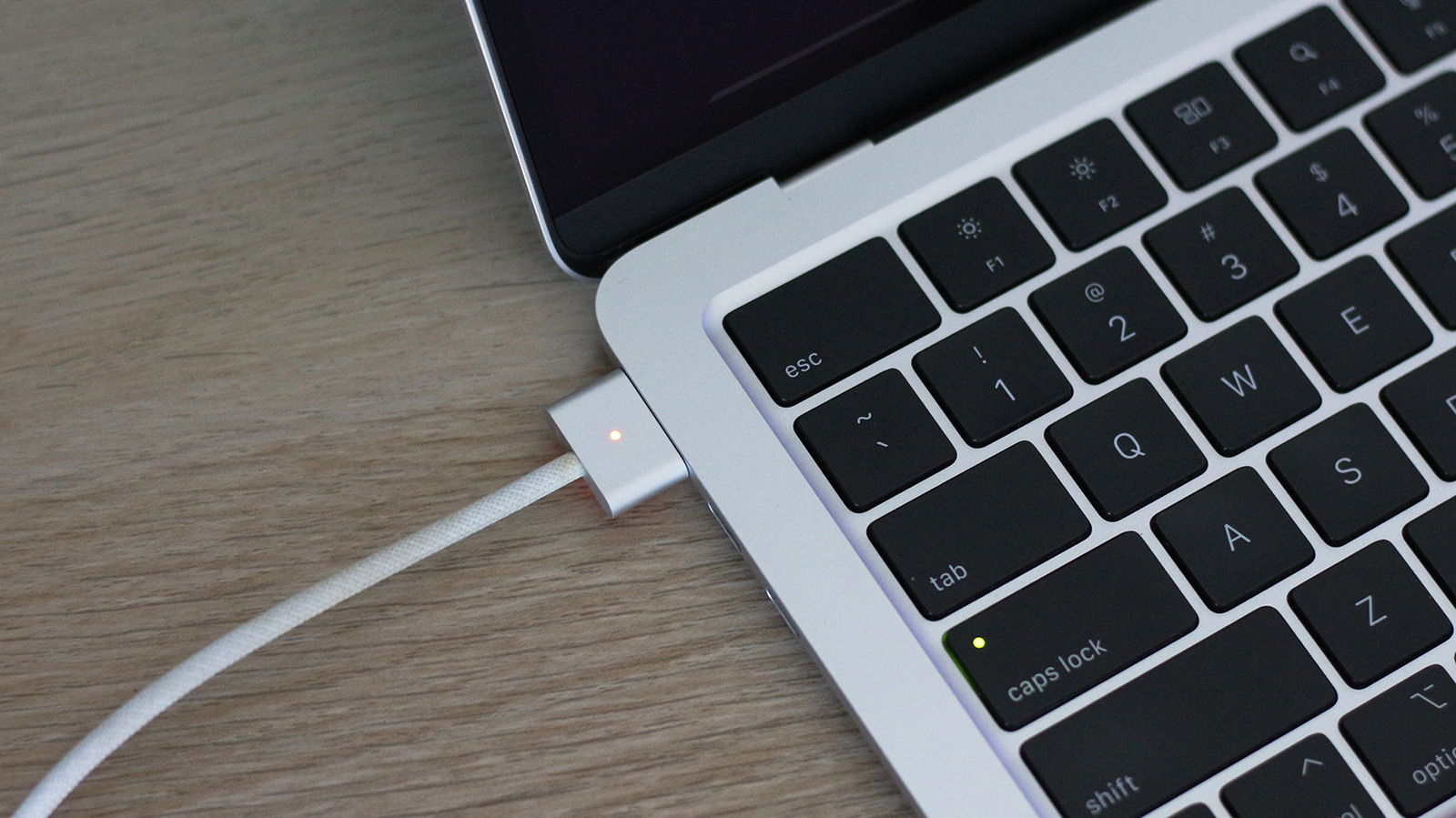
Apple’s MagSafe charging system, introduced with the iPhone 12 and expanded to MacBooks, has become a hallmark of seamless wireless power delivery. With magnetic alignment and speeds up to 15W for iPhones and 100W for compatible MacBooks, MagSafe offers precision and convenience—especially for users like tech reviewer Sarah Perez and Apple engineers who praise its intuitive design. However, the technology comes with trade-offs: MagSafe chargers cost $39 to $79, significantly more than standard Qi2 alternatives, and their proprietary nature limits third-party innovation. Some users report slower charging under certain conditions, particularly when using thick cases or in high-heat environments. The ecosystem’s exclusivity is both its strength and weakness. While Apple controls quality and performance, it also restricts competition, leading to higher prices and fewer options. For example, Samsung’s Galaxy S24 series supports Qi2 but not MagSafe, highlighting a growing divergence in wireless charging standards. Experts like Dr. Elena Kim from the University of California, Berkeley, note that while MagSafe excels in user experience, its long-term sustainability depends on broader industry adoption. As Apple prepares to integrate USB-C across all devices in 2024, the future of MagSafe remains uncertain. Will it evolve into a universal standard, or fade as open protocols dominate? The answer could shape how consumers charge their devices for years to come.