How to Safely Store Old Hard Drives: Expert Tips for Data Preservation and Security
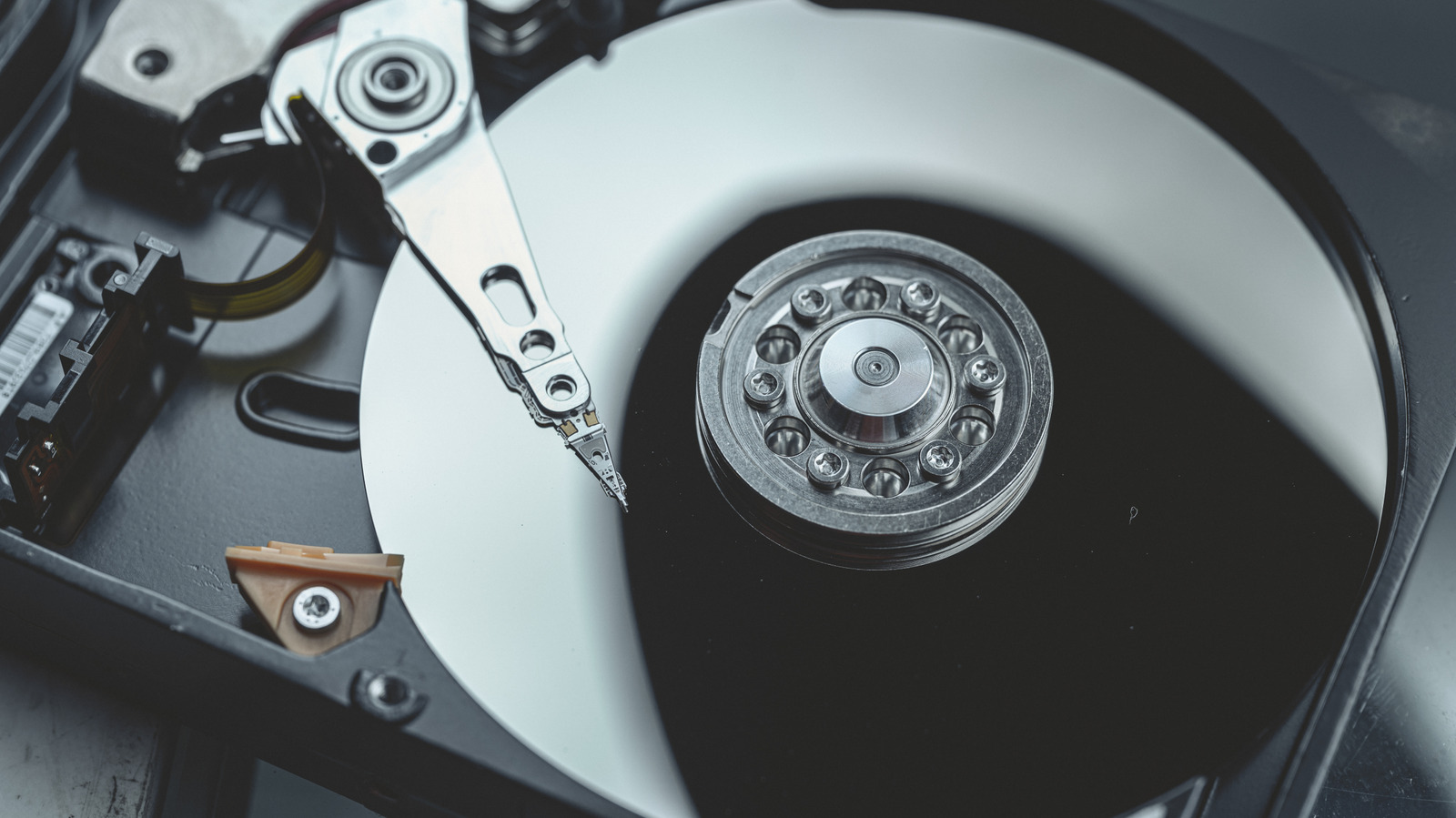
Old hard drives, once vital to personal and business data storage, remain valuable for archival purposes—especially when properly stored. Experts recommend keeping them in cool, dry environments away from direct sunlight and magnetic fields to prevent degradation. According to data preservation specialists, temperatures between 50°F and 77°F (10°C–25°C) and humidity levels below 60% are optimal. Companies like Seagate and Western Digital emphasize that improper storage can lead to data loss within just a few years, even if the drive is inactive. For individuals and businesses alike, this means investing in climate-controlled storage solutions or sealed anti-static containers to extend lifespan and ensure long-term access to critical backups. The rise in digital hoarding has made secure, organized storage more essential than ever. With millions of users still relying on legacy drives for historical records, tax documents, and creative projects, proper handling isn’t just about convenience—it’s about safeguarding irreplaceable information. Organizations such as the National Institute of Standards and Technology (NIST) stress that physical media longevity depends heavily on environmental control, making location and container choice pivotal. Even a single damaged drive could mean losing decades of memories or sensitive corporate data. As cloud migration continues, many still retain old drives for compliance, legal, or sentimental reasons. The takeaway? Don’t stash them in a dusty drawer or basement. Instead, use labeled, shielded enclosures in stable conditions—whether at home or in professional data vaults. With the right care, these drives can remain reliable for up to 10 years or more. The future of digital legacy begins with today’s storage choices.