Fitbit Heart Rate Variability: What Your HRV Score Reveals About Stress and Recovery
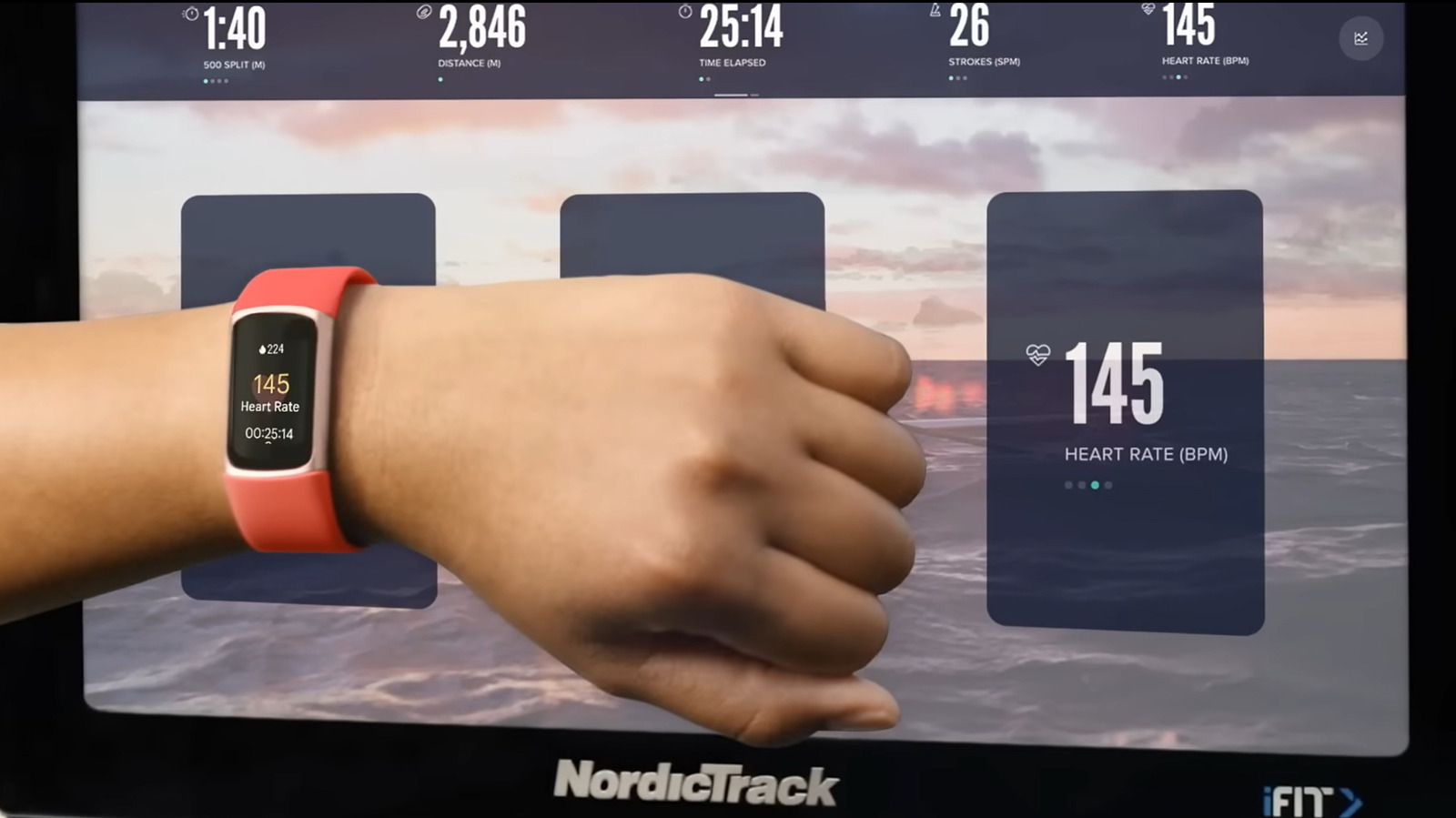
Your Fitbit's heart rate variability (HRV) metric is more than just a number—it's a window into your body's stress levels and recovery status. HRV measures the variation in time between heartbeats, and higher variability generally indicates better fitness and lower stress, while lower variability can signal fatigue, illness, or overtraining. But the key insight from experts is that your personal baseline matters more than comparing yourself to others. A 'good' HRV for one person may be low for another, so tracking your own trends over time is crucial. Fitbit devices calculate HRV during sleep, providing a nightly score that can help you gauge whether you're recovered or need to take it easy. By paying attention to deviations from your normal range, you can make smarter decisions about training intensity, sleep, and stress management. Ultimately, your HRV is a personalized health signal—use it to understand your body's unique patterns, not to chase an arbitrary ideal.