EPA Moves to Roll Back Power Plant Emissions Rules Amid Climate Concerns
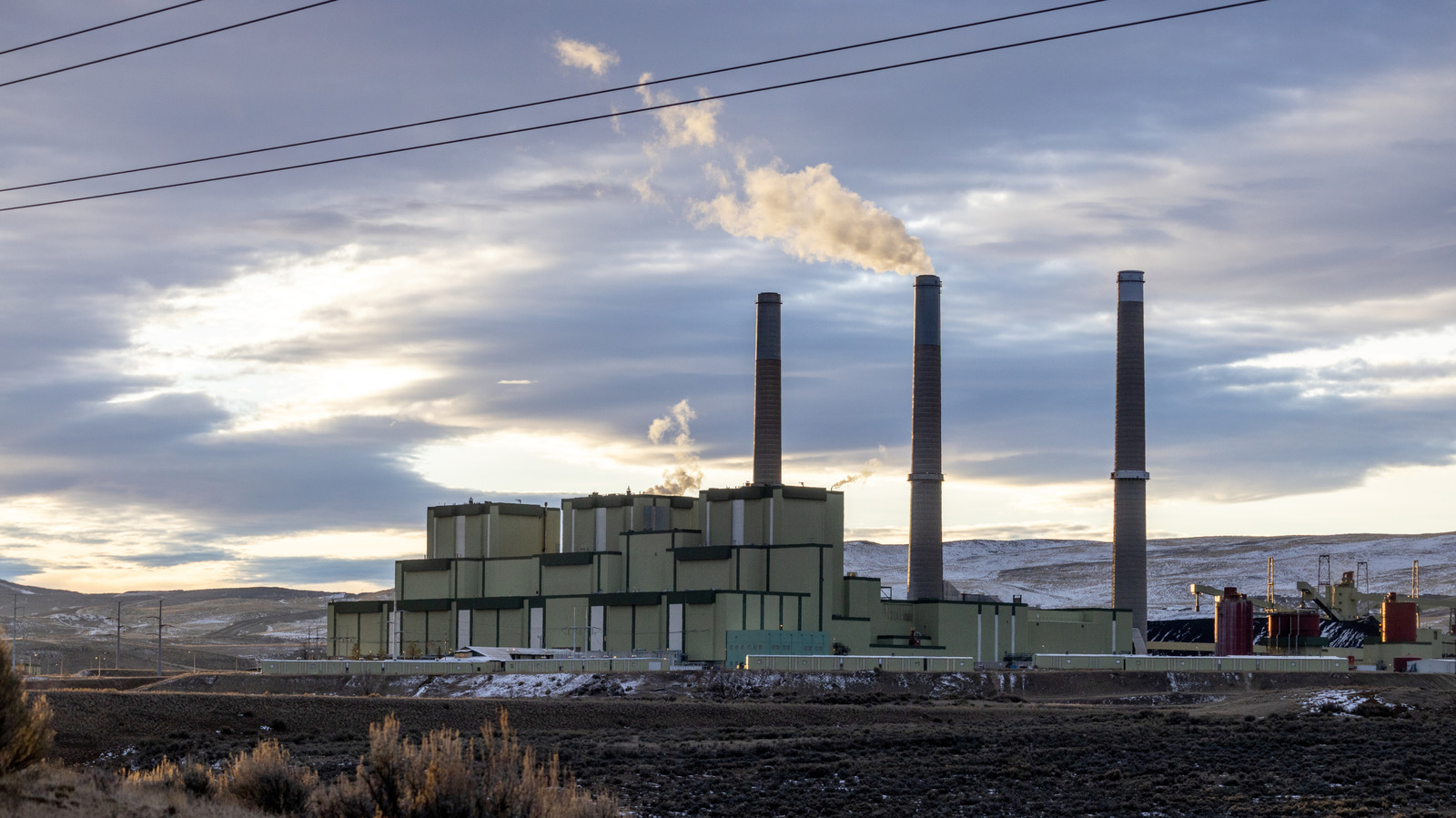
The U.S. Environmental Protection Agency (EPA), under the leadership of Administrator Michael Regan, is proposing a significant shift in environmental policy by seeking to eliminate federal regulations on greenhouse gas emissions from power plants. This move comes as part of a broader effort to reduce regulatory burdens on energy companies, including major utilities like Duke Energy and NextEra Energy, which have long opposed stringent emission standards. The proposed rollback could affect over 1,000 coal- and gas-fired power plants nationwide, potentially undermining progress made under the Clean Power Plan and weakening commitments to meet the Biden administration’s 2030 climate targets. Critics argue that lifting these rules would increase carbon dioxide output, jeopardizing public health and accelerating climate change impacts such as extreme weather and rising sea levels. Environmental advocates, including groups like the Sierra Club and Natural Resources Defense Council, are sounding the alarm, warning that this reversal could set back clean energy adoption and harm vulnerable communities disproportionately affected by air pollution. States like California and New York, already implementing aggressive decarbonization strategies, may face increased pressure to maintain their own stricter standards, leading to a fragmented national approach. Meanwhile, industry leaders point to technological advancements and market-driven shifts toward renewables as sufficient without federal mandates. The decision underscores a growing political and regulatory divide over how best to balance economic growth with environmental stewardship. As the EPA opens a public comment period, stakeholders across the energy sector, public health organizations, and local governments are preparing to weigh in. The final outcome will shape the nation's energy future for years to come—determining whether the U.S. continues its momentum toward a cleaner grid or reverts to less accountable practices.