Ebike vs. E-Moto: Key Differences in Power, Speed, and Law for Micromobility Buyers
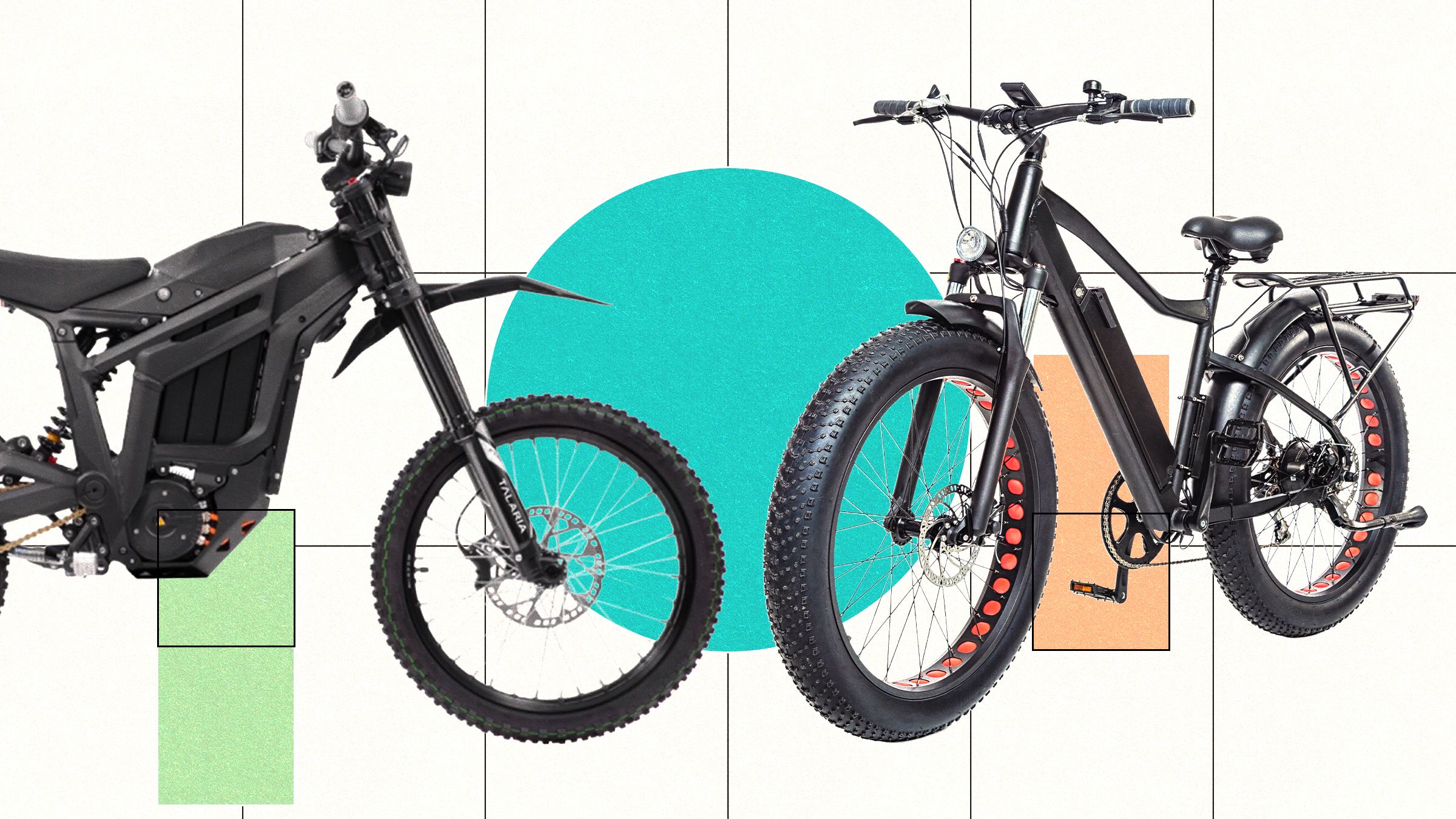
As electric two-wheelers surge in popularity, confusion between ebikes and electric motorcycles (e-motos) is causing buyers to purchase the wrong vehicle—and sometimes breaking the law without knowing it. The core differences lie in motor wattage, top speed, and whether the rider must pedal. Ebikes typically have motors under 750 watts, assist only while pedaling up to 20 or 28 mph, and require no license or registration. E-motos, by contrast, can have motors from 1,000 to over 10,000 watts, reach highway speeds, and are legally classified as motorcycles requiring a license, insurance, and registration. Some retailers blur the lines with terms like “off-road only” or “unlocked” ebikes that can exceed legal limits, putting riders at risk of fines or impoundment. Lawmakers in states like California and New York are tightening rules, but enforcement remains inconsistent. For consumers, knowing the difference is critical for safety, legality, and getting the right vehicle for urban commuting versus trail riding. Before buying, check local laws and the manufacturer’s stated wattage and speed limits—because the wrong choice could cost more than money.