Apple Wallet and Google Wallet Digital Licenses: Convenience vs. Privacy Risks Explained
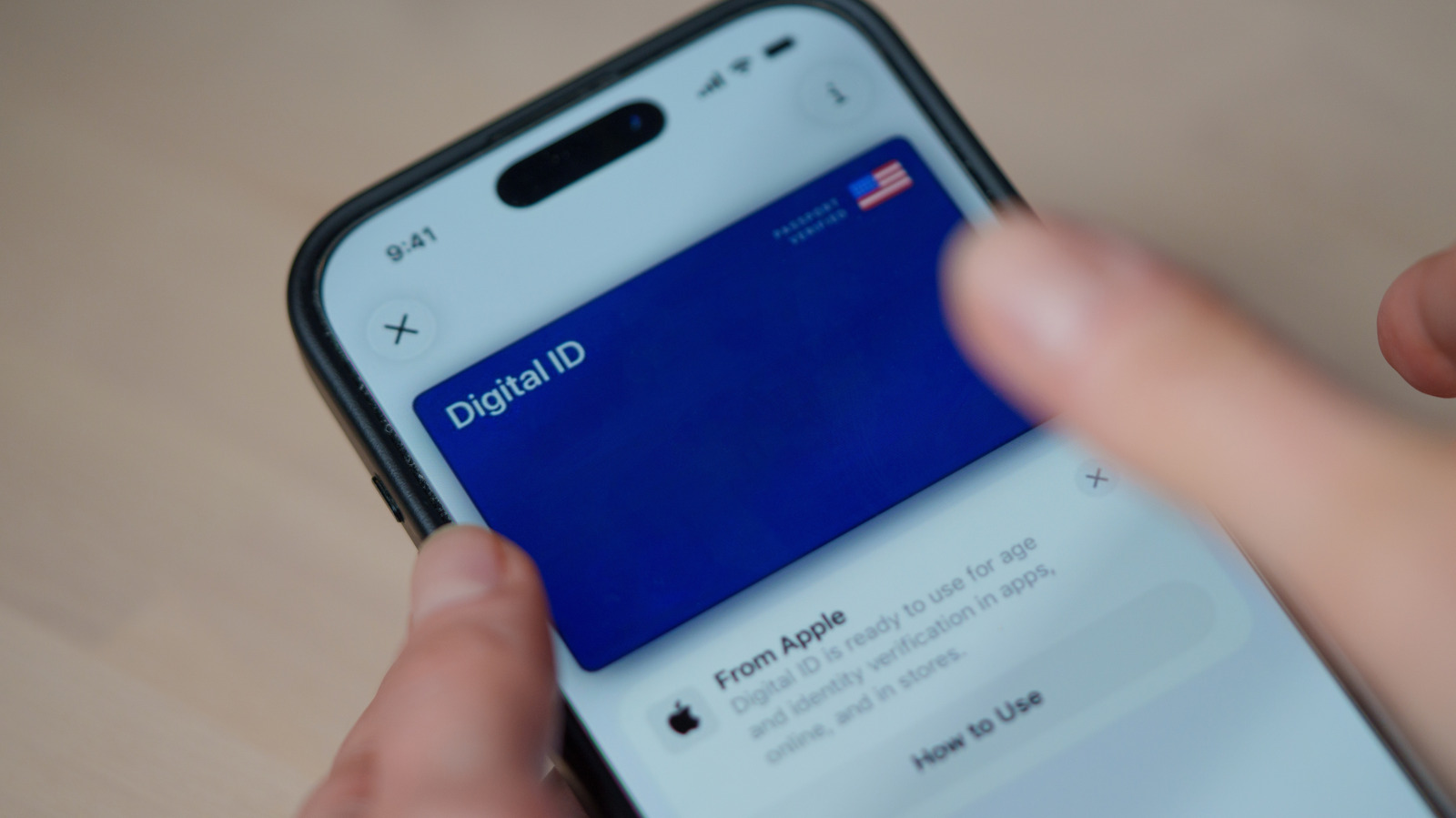
More than 20 U.S. states now allow residents to store their driver’s licenses digitally in Apple Wallet or Google Wallet, offering seamless access for identity verification at airports, bars, and border crossings. However, this growing trend raises serious privacy concerns, especially as these digital IDs are tied to users’ smartphones—devices that track location, usage patterns, and biometric data. Experts warn that if a phone is lost or hacked, unauthorized access to a digital license could enable identity theft or surveillance by third parties. The integration of sensitive personal information into mobile wallets increases the attack surface for cybercriminals and data brokers alike. Key players like Apple and Google have emphasized encryption and on-device storage, but critics point out that even encrypted data can be exploited through sophisticated phishing attacks or physical device breaches. In states such as Arizona, Colorado, and Washington, where digital licenses are already in use, officials report rising public inquiries about security protocols and data retention policies. Users must weigh the convenience of instant ID access against the long-term risks of centralized digital identity storage. As digital identity becomes mainstream, policymakers and tech companies face mounting pressure to establish clear safeguards. The future of digital licensing hinges not just on technology, but on trust—and transparency will be key. The next phase of adoption depends on how well platforms balance innovation with user control.