2026 MacBook Buying Guide: Why Apple Silicon Models Still Dominate, But Intel Chips Are a Dead End
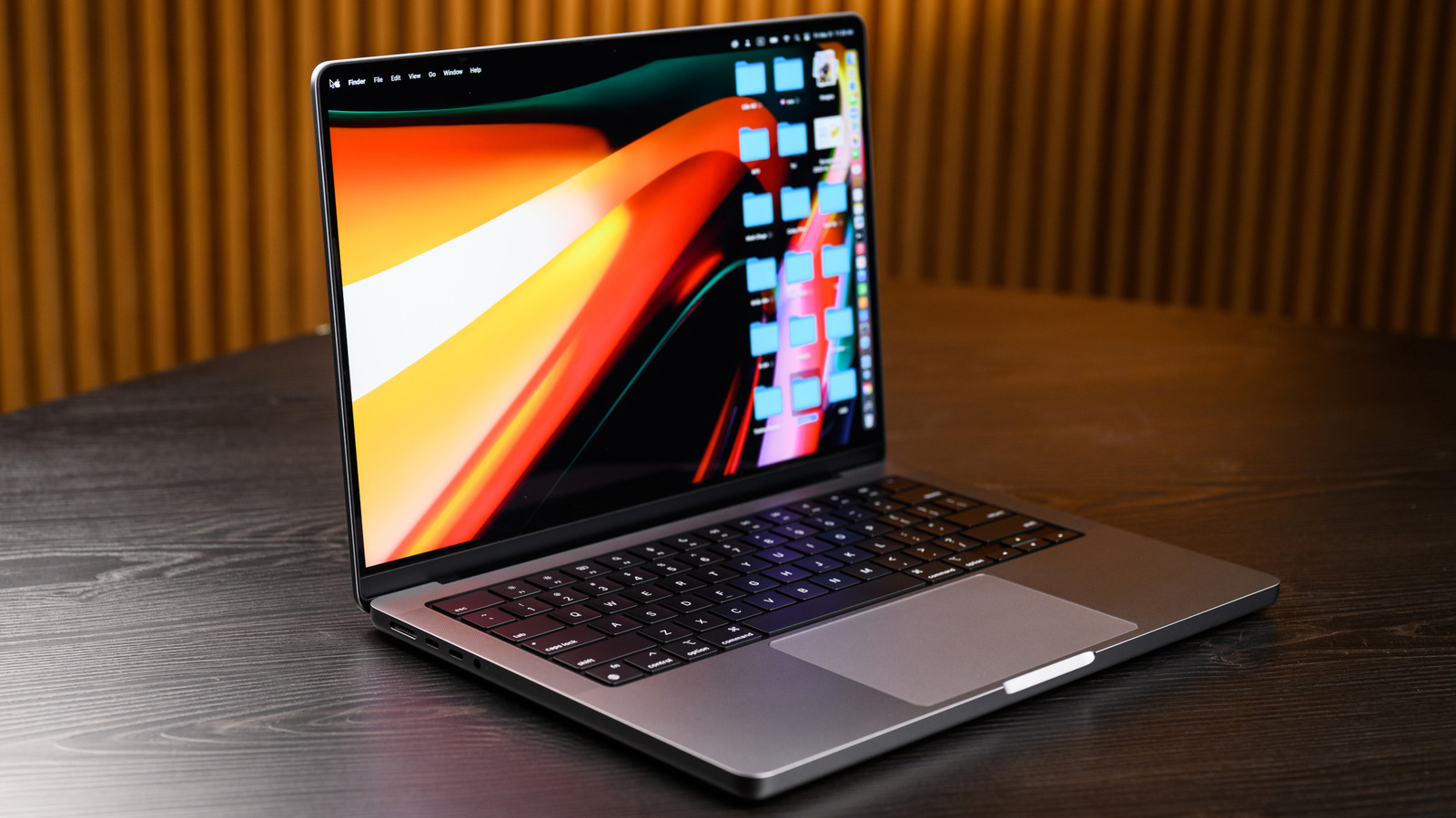
As we approach 2026, the decision to buy an older MacBook hinges on its processor architecture—Apple Silicon models from 2020 onward remain remarkably viable, while Intel-powered MacBooks are increasingly obsolete. Devices like the 13-inch MacBook Pro (M1, 2020) and 14-inch MacBook Pro (M2, 2021) continue to deliver strong performance, efficient battery life, and full compatibility with macOS Sonoma and future updates. In contrast, Intel-based MacBooks such as the 2019 13-inch model or the 2020 16-inch MacBook Pro lack support for newer software features and suffer from diminishing performance under modern workloads. The shift away from Intel marks a pivotal moment in Apple’s ecosystem strategy, with Apple Silicon enabling faster machine learning tasks, longer battery endurance, and seamless integration across devices. For budget-conscious buyers or those needing a secondary device, late-generation Apple Silicon MacBooks offer exceptional value. These machines can handle video editing, coding, and multitasking with ease, even years after release. Meanwhile, Intel MacBooks face growing limitations in software support, security updates, and energy efficiency. With Apple confirming that all new Macs will be Apple Silicon-only by 2026, investing in an older Intel model now risks obsolescence within months. Ultimately, the choice isn’t just about specs—it’s about longevity, security, and future-proofing. For most users, skipping Intel entirely and opting for an M1 or later model is the smarter move. As Apple continues refining its silicon roadmap, the gap between Apple Silicon and legacy Intel systems will only widen.