Zond 5's Historic 1968 Moon Flyby: Soviet Tortoises, Frogs, and Seeds Circumnavigate Lunar Orbit
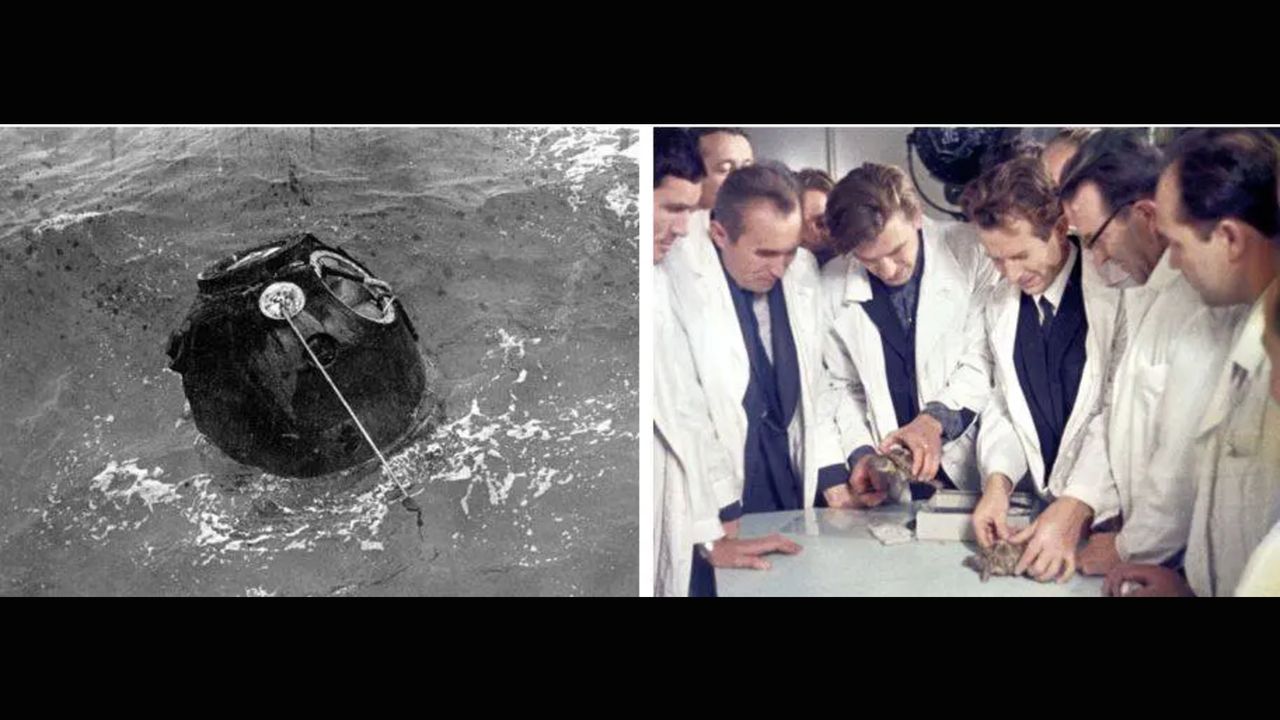
On September 15, 1968, the Soviet Union made history with the Zond 5 mission, becoming the first spacecraft to successfully fly around the Moon and return safely to Earth. Aboard the capsule were two Russian tortoises, a pair of frogs, fruit flies, and various plant seeds—making it the first biological payload to survive a circumlunar journey. The mission, launched from the Baikonur Cosmodrome in Kazakhstan, demonstrated that complex life could endure the extreme conditions of space travel, including radiation and microgravity. This milestone was a critical step in the Cold War space race, showcasing the USSR’s growing capabilities ahead of planned crewed lunar missions. The success of Zond 5 stunned the global scientific community and prompted immediate comparisons with NASA’s Apollo program, which had yet to launch its first crewed lunar test flight. The data collected from the surviving organisms provided invaluable insights into the biological effects of deep space travel, paving the way for future human exploration. Scientists confirmed that the tortoises remained healthy after splashdown in the Indian Ocean, where they were recovered by Soviet recovery teams. This achievement underscored the strategic importance of biological testing in space, proving that life-support systems could sustain living creatures on extended missions. As nations now look toward Mars and long-duration space habitation, Zond 5’s legacy remains a foundational moment in astrobiology and spaceflight safety. Its impact echoes today in every mission carrying living specimens beyond low Earth orbit.