Why Orcas Are Attacking Boats: Psychologist Christian Frings Explains New Theory
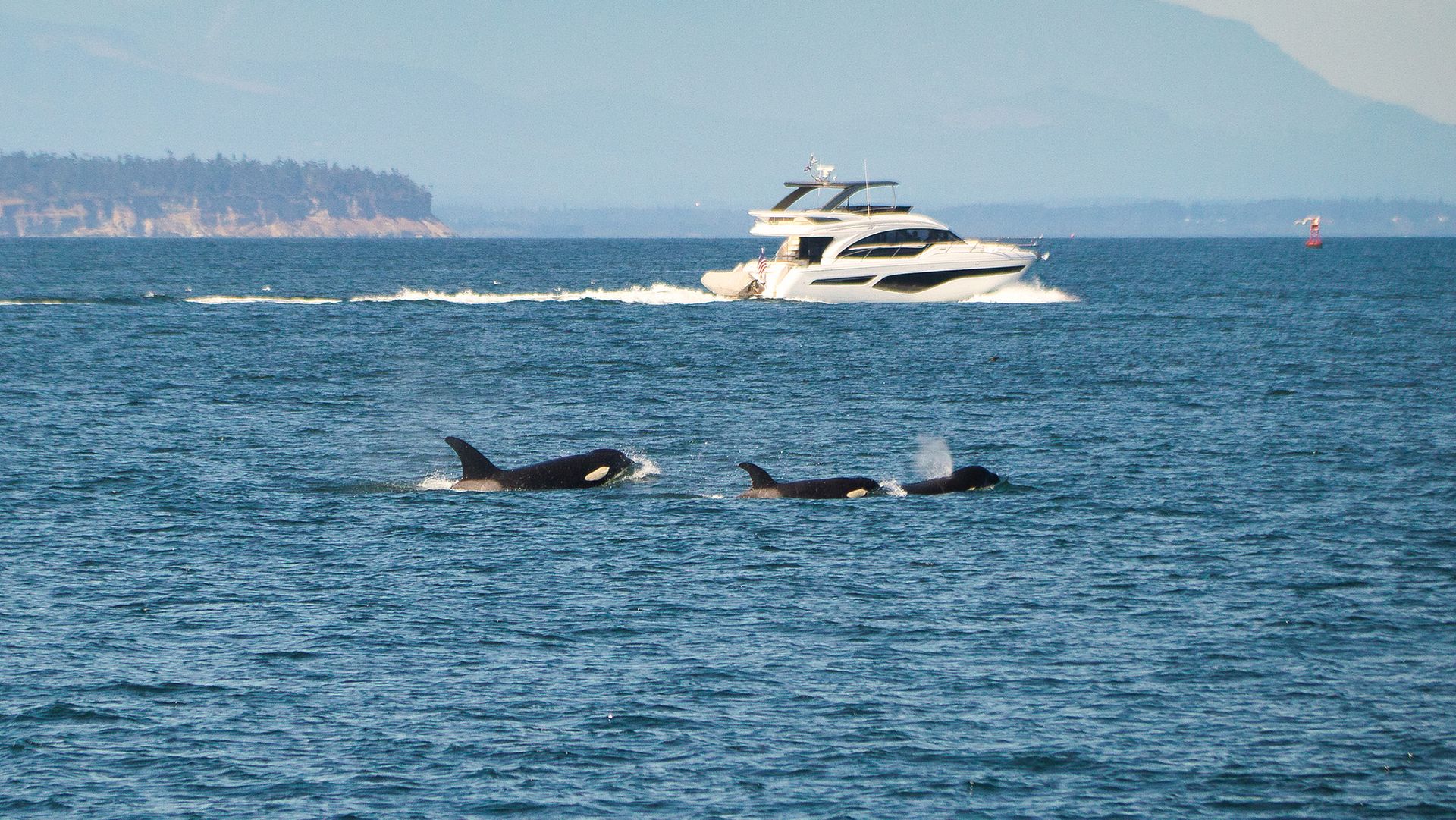
A new theory from comparative psychologist Christian Frings suggests that the recent spate of orca attacks on yachts near the Iberian Peninsula may be driven by curiosity and social learning rather than aggression. In an interview with Live Science, Frings explained that juvenile orcas, possibly bored and seeking stimulation, may have started interacting with boat rudders, and the behavior spread through their tight-knit social groups. The phenomenon, which has been reported since 2020, has involved hundreds of incidents, mostly targeting small sailing vessels. Frings emphasizes that the orcas are not acting out of revenge or malice, but are exploring their environment in a way that has become culturally transmitted among the population. This matters because understanding the motivation can help boaters and conservationists develop non-harmful deterrents and reduce conflict, protecting both sailors and the endangered orca subpopulation. The takeaway: as researchers continue to monitor these intelligent marine mammals, the key will be finding ways to coexist without disrupting their natural behaviors.