Beyond Fertility: How Ovarian Aging Influences Long-Term Health Outcomes
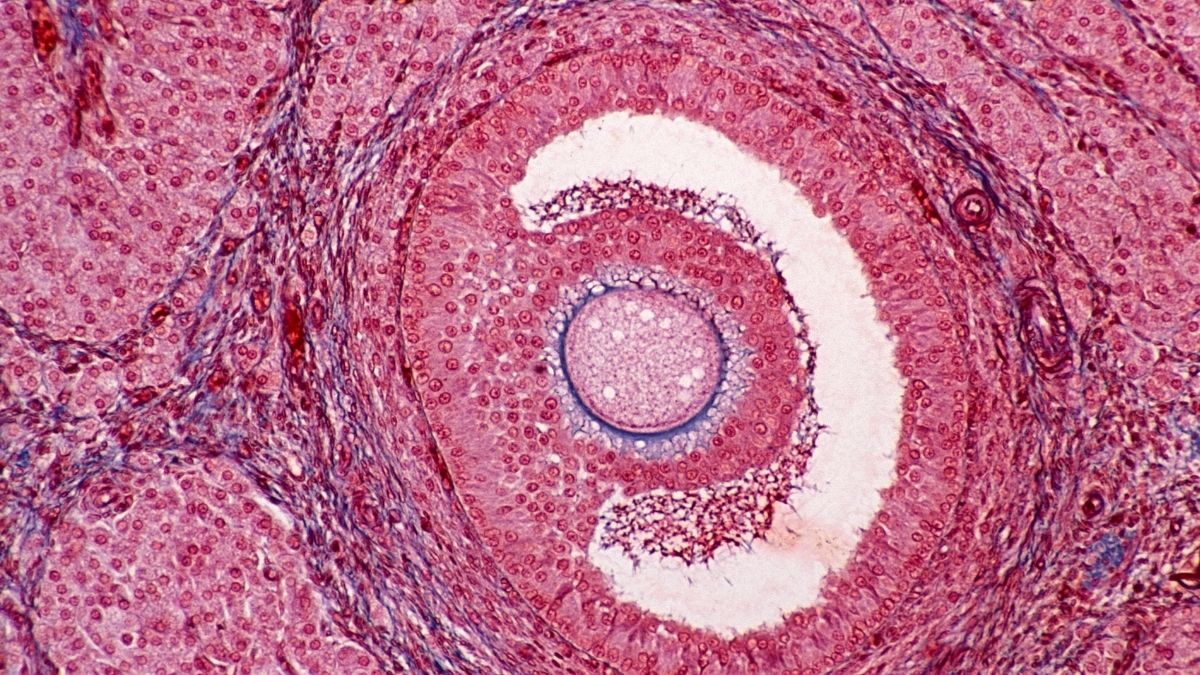
Recent scientific research is shifting the medical perspective on ovarian aging, moving beyond a strictly reproductive focus to understand its profound impact on systemic health. Ovaries function as vital endocrine organs, and their senescence appears to be a key bellwether for overall biological decline as individuals age. Current studies suggest that the decline of ovarian hormones is intrinsically linked to various regulatory systems within the body, indicating that these changes are not isolated events but rather critical markers for broader physiological shifts. By reevaluating the endocrine role of the ovaries, researchers hope to uncover how this specific aging process influences long-term well-being and health outcomes. This emerging paradigm emphasizes the necessity of looking past conventional medical narratives, treating ovarian health as an integral component of comprehensive longevity strategies rather than just a standalone reproductive concern. Understanding these complex mechanisms could lead to more effective interventions for aging-related conditions, highlighting the interconnected nature of hormonal health and systemic physical vitality.