Parkinson's-Like Brain Changes in Mice Reversed Without Treatment, Study Finds
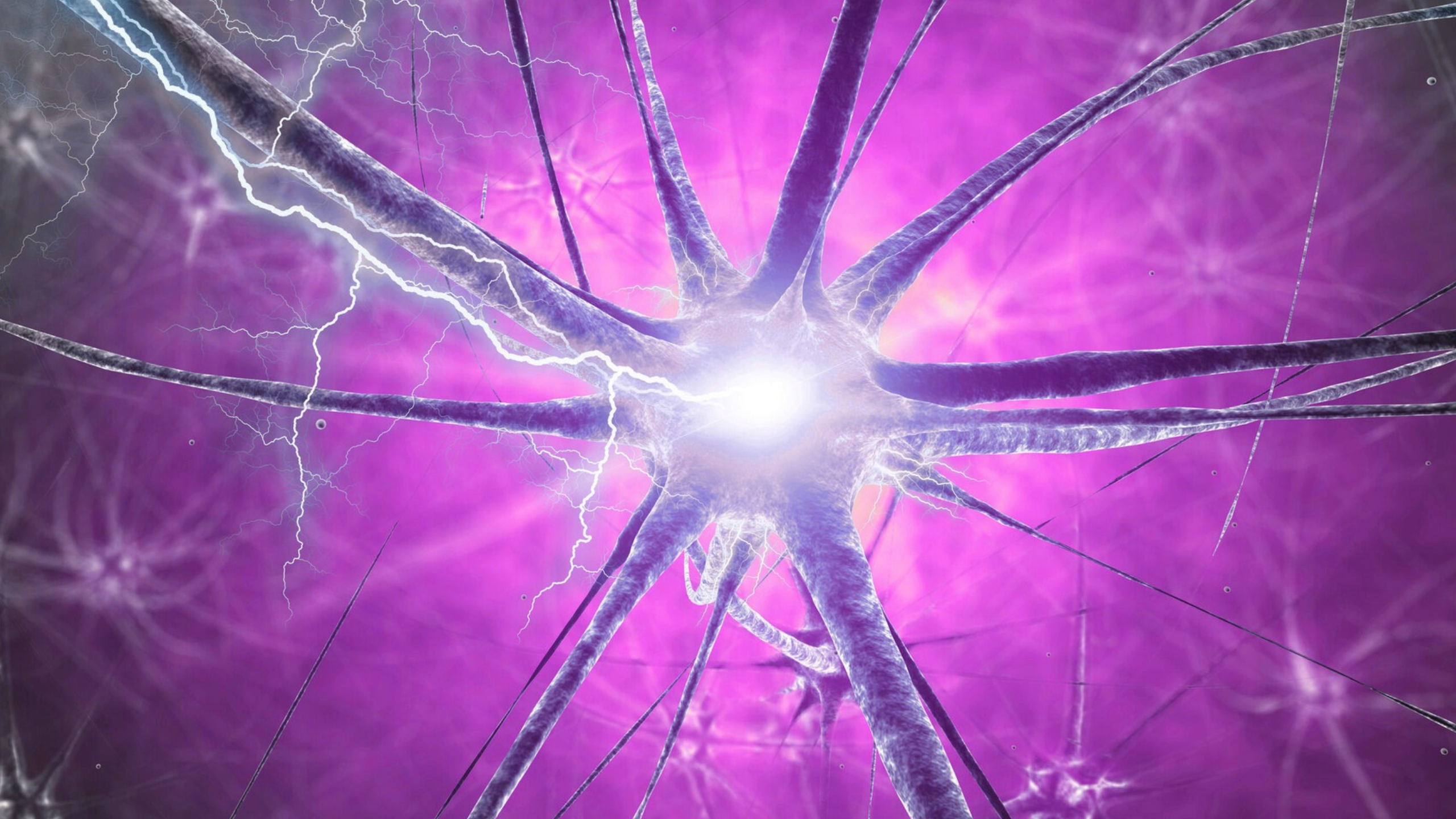
In a surprising development, mice engineered to exhibit Parkinson's-like brain changes and movement difficulties spontaneously recovered motor function a year later without any treatment, according to new research highlighted by ScienceAlert. The study, which tracked the animals over an extended period, found that the rodents regained movement despite the persistence of some underlying brain alterations, challenging assumptions about the irreversibility of Parkinson's-related neurodegeneration. The findings suggest that the brain may possess greater capacity for functional compensation or repair than previously recognized, particularly in early-stage disease models. While the results are preliminary and based on animal models, they open new avenues for investigating the mechanisms of spontaneous recovery and could inform future therapeutic strategies for Parkinson's disease, a progressive disorder affecting millions worldwide. Researchers caution that human Parkinson's is more complex, but the study underscores the importance of longitudinal studies to understand the full trajectory of neurodegenerative conditions. The unexpected recovery in mice offers a glimmer of hope and a reminder that biology sometimes defies expectations.