Oct. 27, 1961: NASA's First Saturn I Launch Paved the Way for Apollo Moon Missions
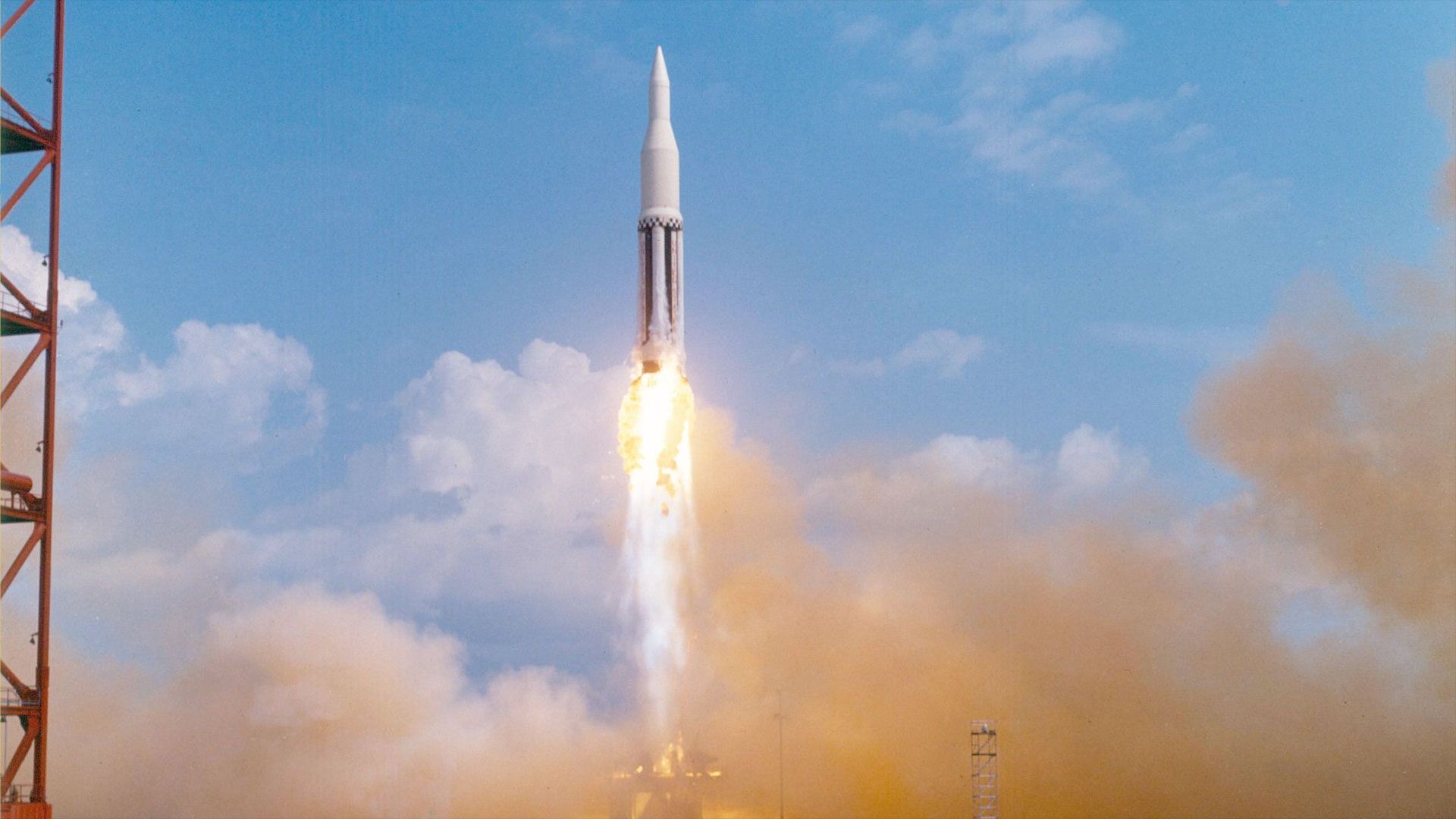
On October 27, 1961, NASA conducted the first test flight of the Saturn I rocket from Cape Canaveral, Florida. This launch was a critical milestone in the development of the Saturn family of rockets, which would later include the Saturn V that carried astronauts to the Moon. The Saturn I was designed to test the clustered engine concept and other technologies needed for heavy-lift launch vehicles. Its success demonstrated that a large, multi-engine rocket could be built and flown reliably, giving NASA confidence to proceed with the Apollo program. The test flight lasted only about eight minutes, reaching an altitude of 136.5 km and splashing down in the Atlantic Ocean. While the Saturn I never flew a crewed mission, it laid the groundwork for the larger Saturn IB and Saturn V rockets. This first launch marked the beginning of a new era in space exploration, leading directly to the historic Apollo 11 Moon landing less than eight years later. For space enthusiasts and historians, the Saturn I's maiden flight remains a pivotal moment in the race to the Moon.