New Simulation Reveals First 2 Billion Years of Universe, From Dark Ages to First Galaxies
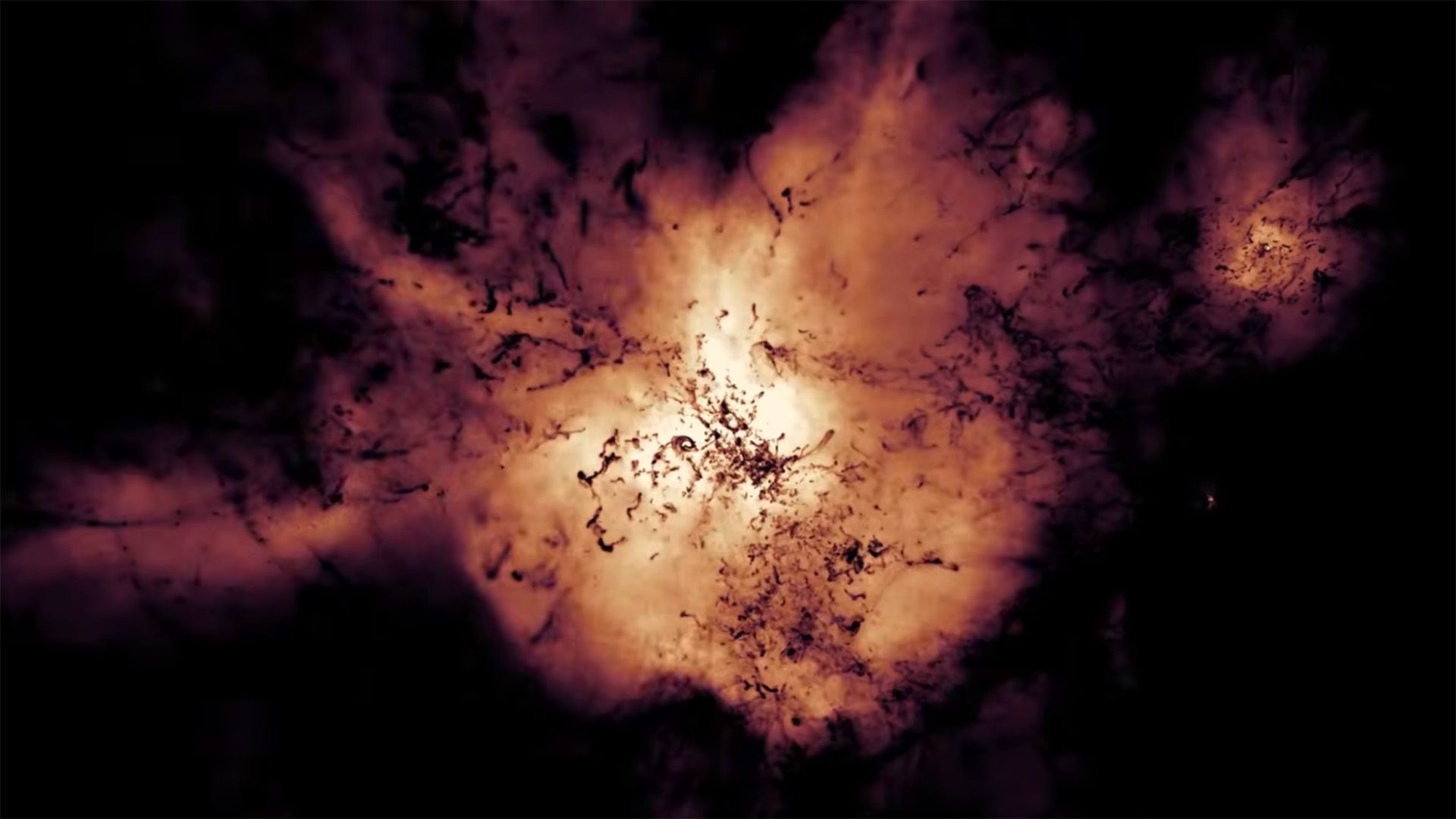
A new simulation is giving scientists an unprecedented look at the universe's first 2 billion years, a period that saw the cosmos emerge from a 'dark age' and light up with the first galaxies. The program, detailed in a recent study, models how the ingredients of the universe—gas, dark matter, and radiation—interacted to form the earliest structures. By tracking the formation of stars and galaxies in high resolution, researchers hope to answer fundamental questions about cosmic dawn. The simulation shows how the first stars, made almost entirely of hydrogen and helium, exploded as supernovae and seeded the universe with heavier elements. It also reveals how radiation from these early objects ionized the surrounding gas, a process called reionization that made the universe transparent to light. This work matters because it connects the physics of the early universe to observations from telescopes like the James Webb Space Telescope, which is now peering back to these ancient times. Ultimately, the simulation could help astronomers interpret what they see and refine theories of galaxy formation.