Critique Debunks 'Trees Sensing Solar Eclipses' Claims, Citing Pseudoscience
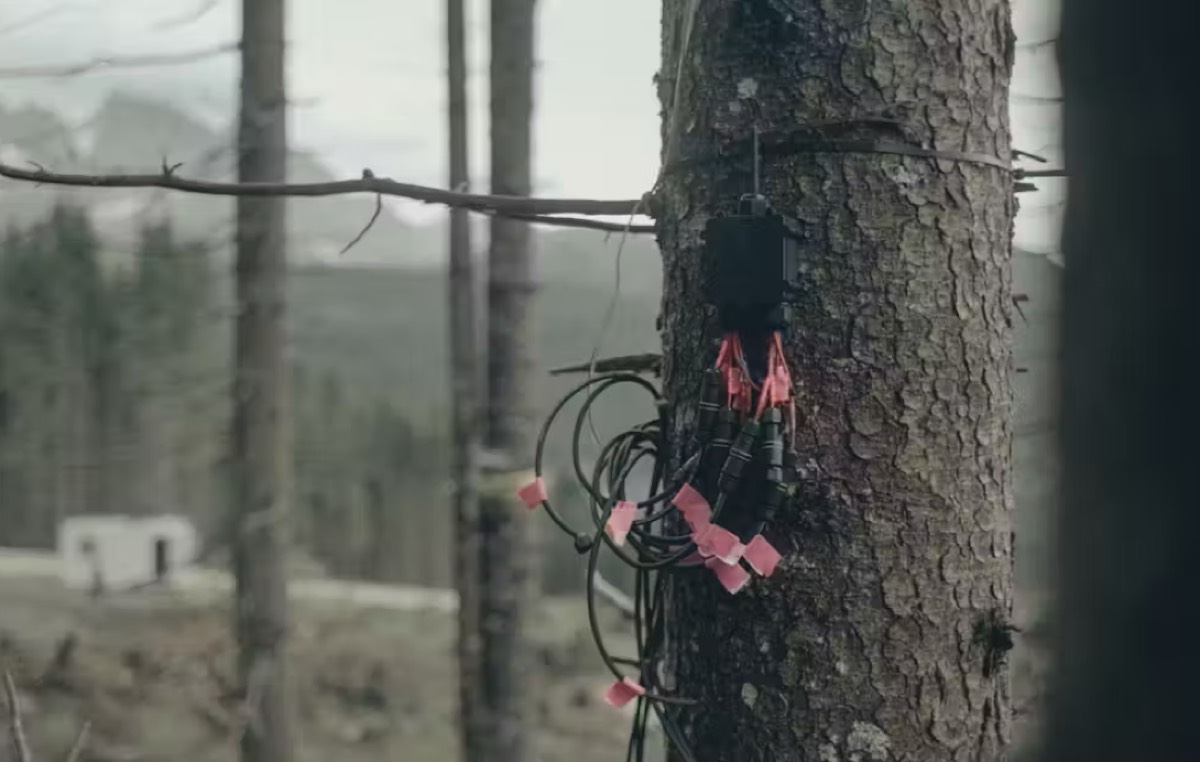
A recent comprehensive critique has rigorously debunked the controversial claims of a 2025 study suggesting that trees can sense solar eclipses. The review argues that the original study's findings, which proposed that plants exhibit distinct physiological responses to the sudden dimming of light during an eclipse, are based on flawed methodology and questionable data analysis. Critics highlight inadequate experimental controls, potential confounding variables, and statistical issues, asserting that observed effects could be attributed to natural variability or unmeasured environmental shifts. The critique emphasizes that such unsubstantiated claims risk blurring the lines between rigorous science and pseudoscience, potentially undermining public trust in biological research. It calls for adherence to the highest standards of scientific integrity, including transparency, reproducibility, and critical self-examination, to ensure that future research into plant environmental sensing remains grounded in robust evidence and sound methodology.