New Bioelectronic Implant Uses Electricity to Remove Blood Sugar, Offering Potential Type 2 Diabetes Treatment
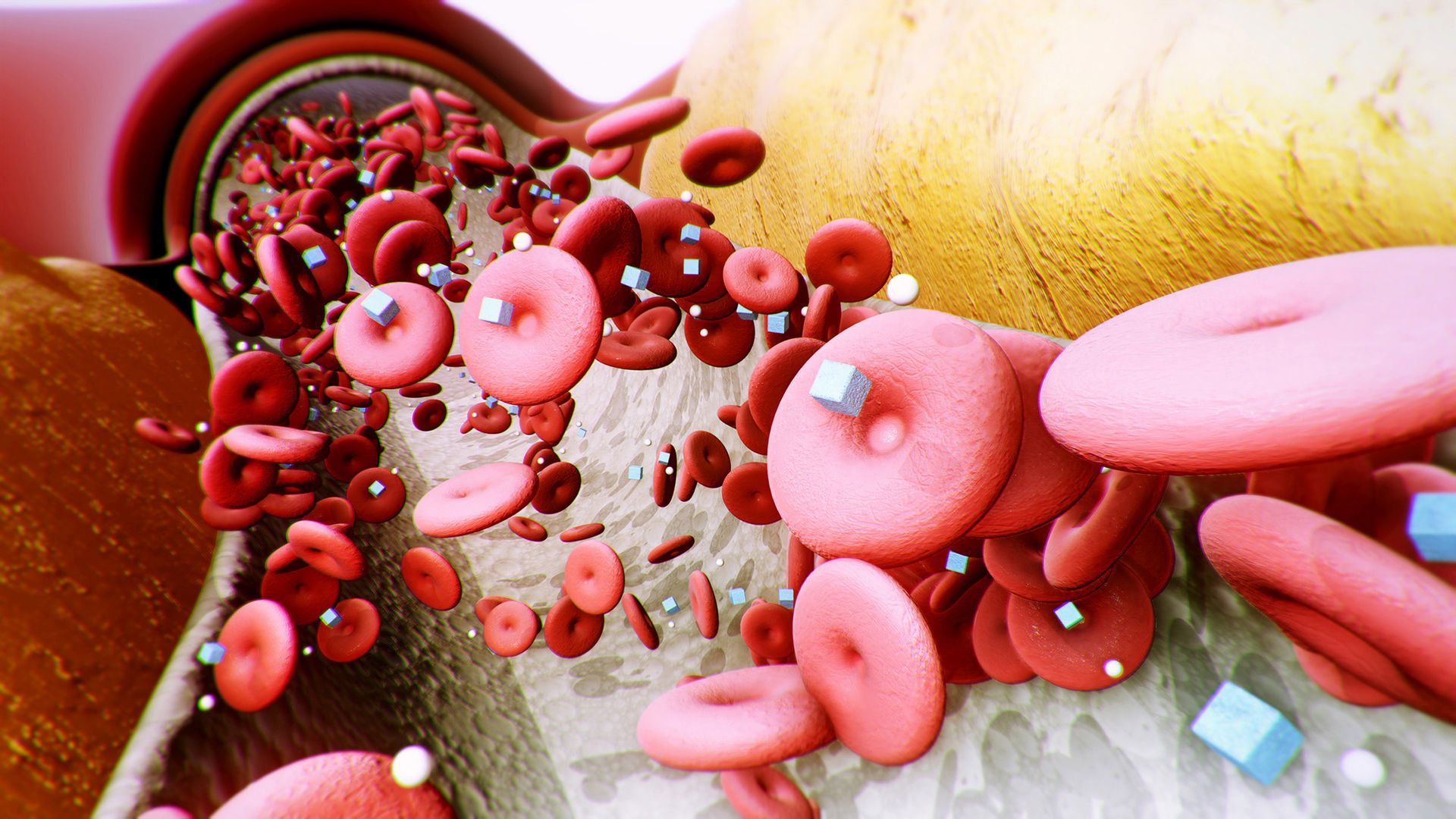
Researchers have developed an experimental implantable device that uses a small electrical current to trigger a chemical reaction that removes excess glucose from the blood, according to a new report. The bioelectronic device, still in early testing, could offer an alternative approach to managing type 2 diabetes, a condition affecting over 460 million people worldwide. Unlike traditional treatments that rely on medication or insulin to help cells absorb sugar, this device directly oxidizes glucose in the bloodstream, converting it into a harmless byproduct. The technology represents a convergence of bioengineering and electrochemistry, potentially reducing the need for daily injections or pills. While human trials are still needed, early results suggest the implant could continuously regulate blood sugar levels with minimal power. If successful, it could transform diabetes care by providing an automated, drug-free method to control glucose, reducing long-term complications such as heart disease and nerve damage. The next steps involve refining the device for long-term implantation and testing in larger animal models before moving to clinical studies.