Nearby Active Black Hole Provides Clues to Early Universe Evolution
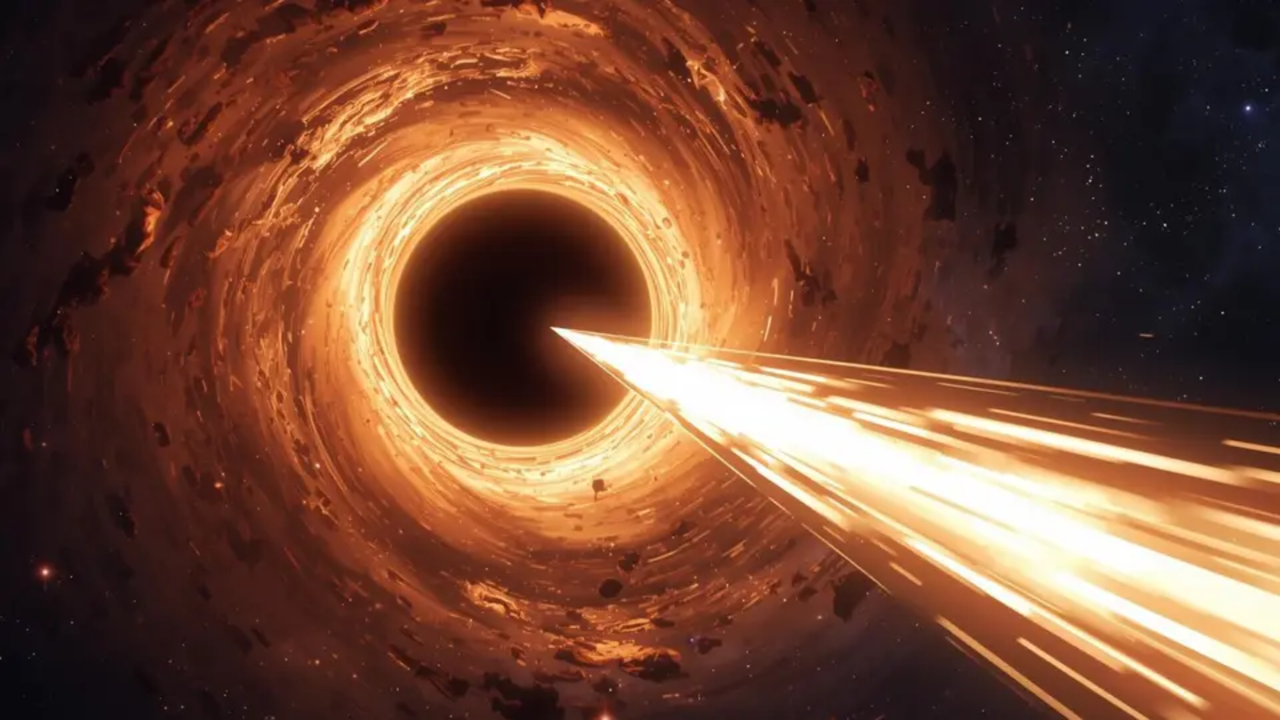
Astronomers have discovered a highly active black hole in our cosmic vicinity that mimics the behavior of the massive entities present during the dawn of the universe. This rare, nearby celestial object serves as an accessible laboratory for researchers studying the rapid growth and development of early galactic giants. Typically, the conditions of the primitive universe are obscured by extreme distances, making them difficult to analyze. However, this local black hole acts as a proxy for the high-energy environments of the early cosmos, allowing scientists to observe accretion processes and mass accumulation in real-time. By studying this phenomenon, experts hope to bridge the significant knowledge gap between modern galactic observations and the conditions that existed shortly after the Big Bang. This discovery is a breakthrough for astrophysics, offering a unique opportunity to understand how supermassive black holes formed and evolved during the formative stages of our universe's history.