NASA's Swift Observatory Ends 22-Year Gamma-Ray Mission, Fiery Reentry Expected Within Weeks
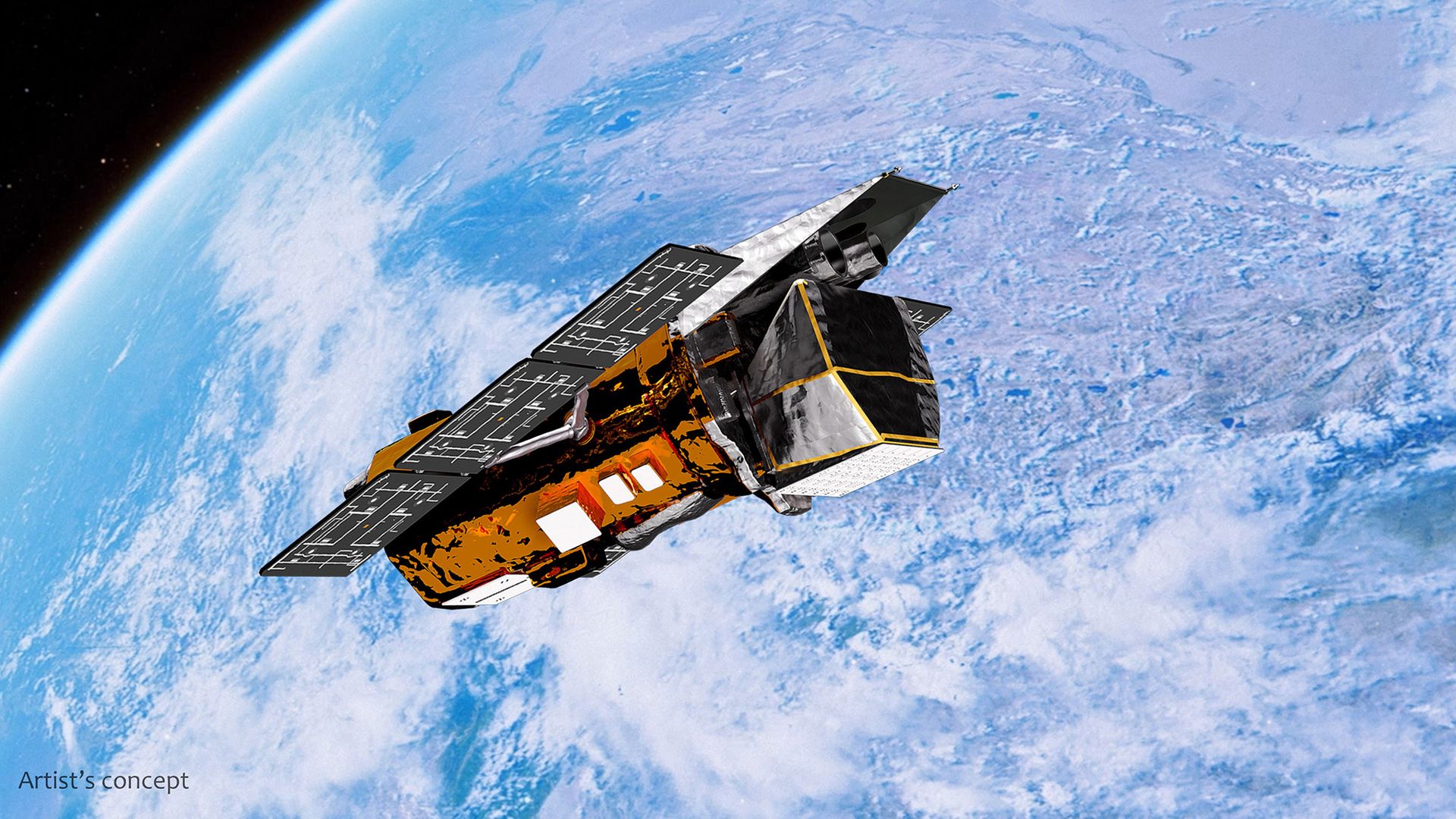
NASA's Neil Gehrels Swift Observatory, a pioneering space telescope that revolutionized the study of gamma-ray bursts, has officially concluded its mission after 22 years of operation. The spacecraft is now on a trajectory that will bring it back to Earth, with a fiery reentry anticipated in the coming weeks. Swift was launched in 2004 and was designed to detect and rapidly locate gamma-ray bursts, the most powerful explosions in the universe, often linked to the birth of black holes. Over its lifetime, Swift observed over 1,500 gamma-ray bursts and provided crucial data on their afterglows, helping astronomers understand these cataclysmic events. The observatory also contributed to multi-messenger astronomy, including the historic 2017 detection of gravitational waves and light from a neutron star merger. As Swift's orbit decays, it will burn up in the atmosphere, marking the end of an era for high-energy astrophysics. Its legacy includes a vast archive of data that will continue to yield discoveries for years to come.