Metal Particles from Hip and Knee Implants Detected in Human Brains: Study Reveals Alarming Link
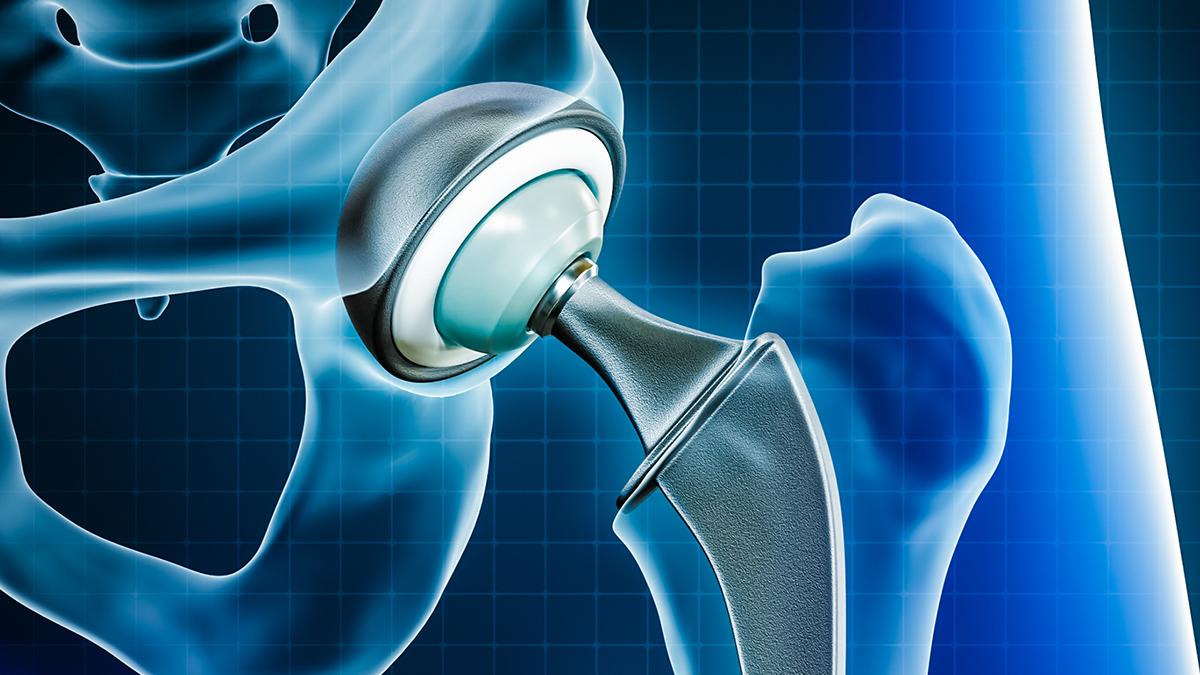
New research has found that microscopic metal particles from joint replacements—specifically cobalt and chromium—can migrate from artificial hips and knees to the human brain. The study, led by scientists at the University of Edinburgh and published in a peer-reviewed journal, analyzed brain tissue from 15 deceased patients who had undergone joint replacement surgeries. In every case, trace amounts of metallic debris were detected in neural tissues, particularly in regions associated with motor control and cognitive function. These findings highlight a previously underrecognized pathway for implant-derived material to cross biological barriers in the body. The discovery raises urgent questions about long-term safety, especially as over 1 million joint replacements are performed annually in the U.S. alone. While the clinical significance remains unclear, experts caution that chronic exposure to these metals could potentially contribute to neurodegenerative conditions. Researchers emphasize that this does not mean implants should be avoided—many patients benefit greatly—but calls for improved materials and post-surgical monitoring are growing louder. The study underscores the need for more rigorous biocompatibility testing and real-world tracking of implant performance. As global aging populations increase demand for joint replacements, understanding the full impact of these devices is critical. This breakthrough serves as a wake-up call for regulators, manufacturers like Stryker and Zimmer Biomet, and healthcare providers to prioritize patient safety through innovation and transparency.