Mars Volcanic Vents: Best Evidence Yet of Potentially Habitable Ancient Environment
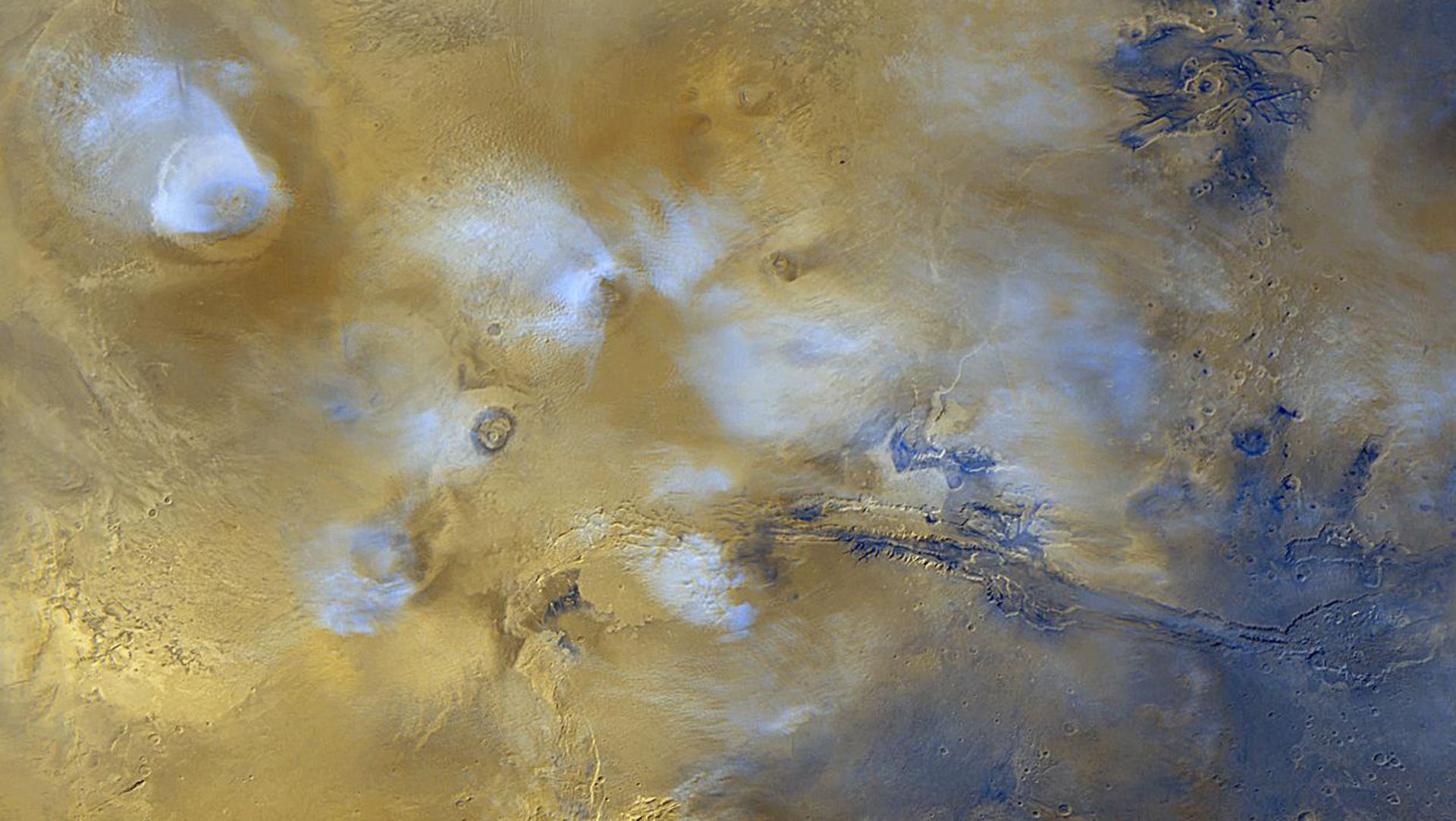
A new study has uncovered the strongest evidence to date that volcanic vents on Mars may have once provided a habitable environment for ancient microbial life. The findings center on a region near a large volcano on the Red Planet, where magma likely interacted with ice or water to create hydrothermal systems similar to those on Earth that teem with life. This discovery is significant because it pinpoints a specific location where life could have thrived billions of years ago, offering a prime target for future robotic or human exploration. The presence of magma and potential liquid water in the past suggests that the area had the necessary ingredients for life: heat, water, and chemical energy. Scientists have long speculated about Martian habitability, but this evidence provides a concrete link to Earth-like volcanic environments. The research underscores the importance of studying Mars' volcanic regions for signs of past life and could guide upcoming missions, such as the search for biosignatures. For readers, this matters because it brings us closer to answering whether life ever existed beyond Earth and where we should look next. The study's implications extend to understanding Mars' geological history and its potential to have supported life, making it a key focus for planetary science. As exploration continues, these volcanic vents may hold the key to unlocking the Red Planet's biological past.