Mars Rocket Fuel Breakthrough: Scientists Use CO2 from Thin Air to Create Propellant – Key for Future Crewed Missions
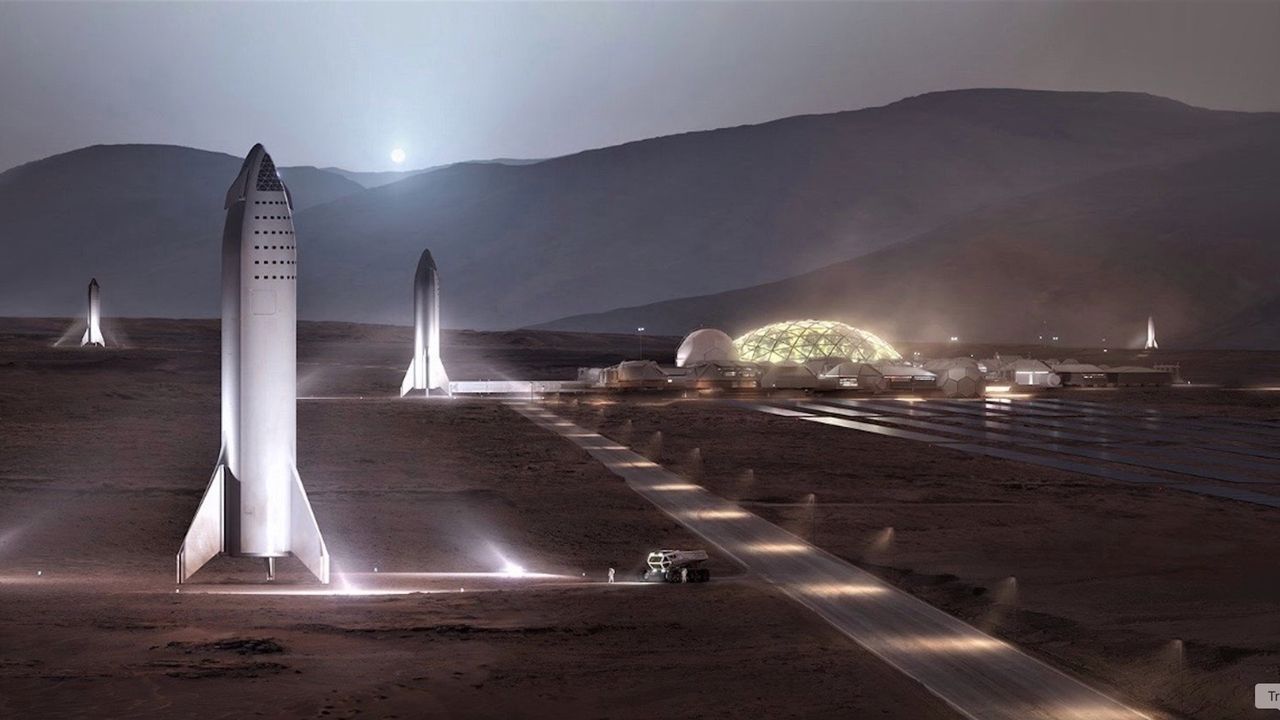
In a major leap for interplanetary exploration, researchers at NASA’s Jet Propulsion Laboratory and the University of California, San Diego have successfully demonstrated a method to convert Mars’ carbon dioxide-rich atmosphere into usable rocket fuel. Using a novel electrochemical process powered by solar energy, the team transformed 98% pure CO2—abundant in Mars’ thin atmosphere—into methane and oxygen propellants. This breakthrough could drastically reduce the payload needed for crewed missions, as transporting fuel from Earth is both costly and inefficient. By enabling in-situ resource utilization (ISRU), the technology supports NASA’s Artemis program goals and future Mars landing plans led by figures like Dr. Jim Green, former NASA Chief Scientist. The system, tested under simulated Martian conditions at 6 millibars pressure, achieved a 70% efficiency rate, proving scalable potential. Why it matters: reducing launch mass by up to 50% could lower mission costs and increase safety margins. With SpaceX aiming for its Starship Mars missions by the late 2030s, this innovation may be pivotal. The next phase involves testing on actual Mars terrain via upcoming robotic landers. The dream of sustainable human presence on Mars just got closer—and more fuel-efficient than ever.