How a Neglected Particle from the Dawn of Time Could Explain Why the Universe Exists
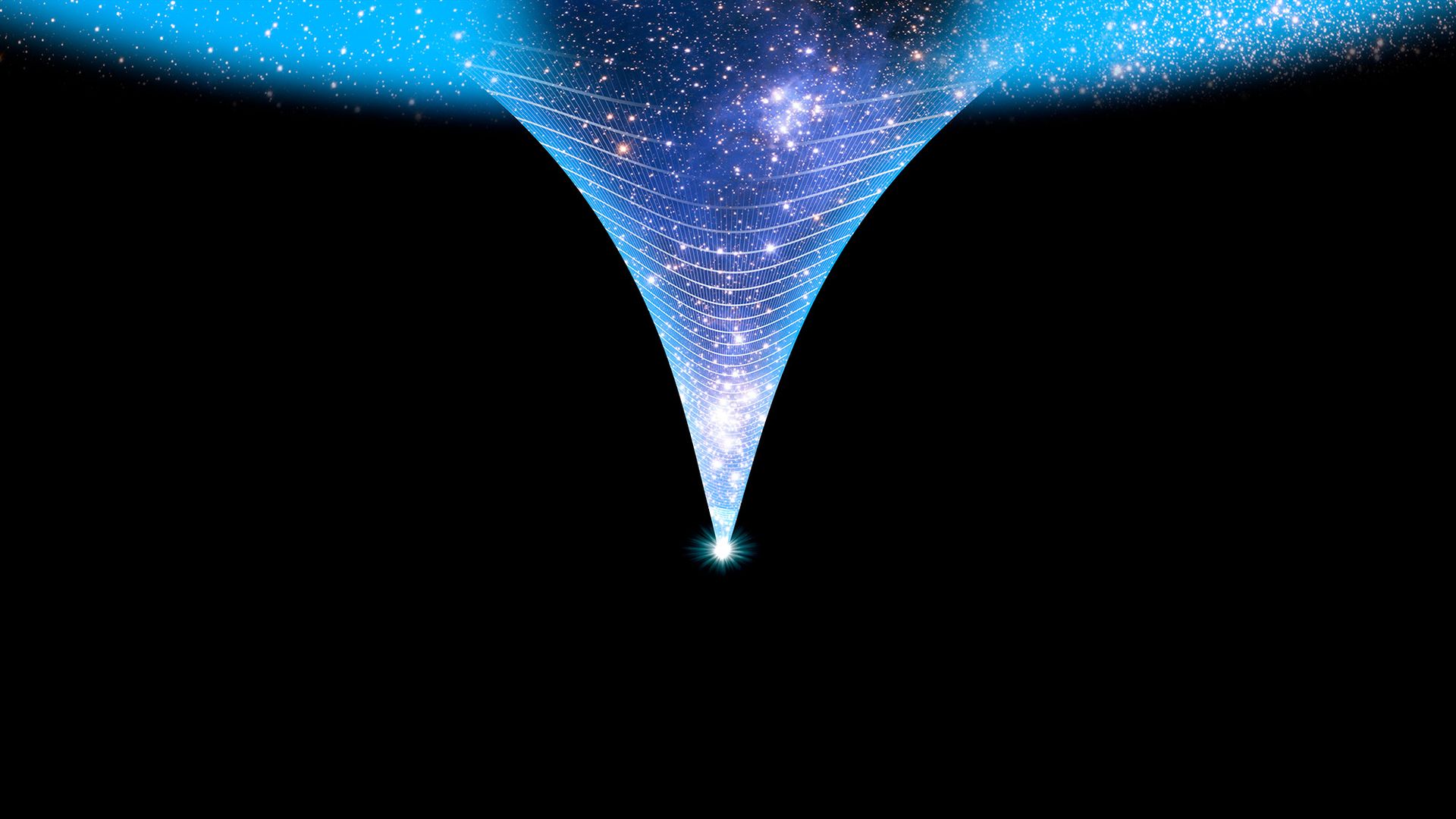
A hypothetical particle that may have existed in the earliest moments after the Big Bang could hold the key to one of cosmology's greatest mysteries: why the universe is filled with matter rather than antimatter. According to new theoretical work, this particle could have temporarily dominated the energy content of the infant cosmos, creating conditions that favored matter over antimatter. The research suggests that during a fleeting period, this particle's energy density surpassed that of all other particles and radiation combined, potentially triggering a process called baryogenesis. This process would have led to a slight excess of matter particles, which eventually formed galaxies, stars, planets, and life. While the particle remains hypothetical, its predicted properties align with certain extensions of the Standard Model of particle physics, such as those involving heavy neutrinos or other exotic species. The study highlights how subtle asymmetries in the early universe could have profound consequences for the cosmos we observe today. If confirmed, this mechanism could fill a major gap in our understanding of cosmic evolution and the fundamental laws of nature.