Giovanni Cassini Discovers Saturn's Iapetus on Oct. 25, 1671: Why It Still Matters
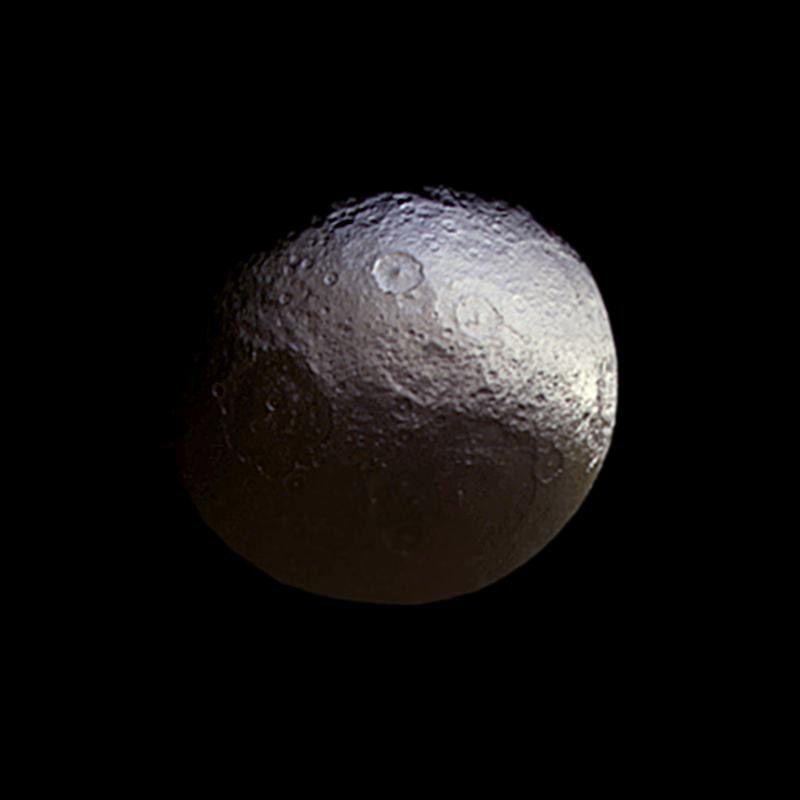
On October 25, 1671, Italian astronomer Giovanni Cassini spotted a previously unknown moon orbiting Saturn, later named Iapetus. This discovery expanded the known Saturnian system and showcased the improving capabilities of 17th-century telescopes. Cassini, already a prominent figure at the Paris Observatory, would go on to find three more Saturn moons and the famous gap in Saturn's rings that bears his name. Iapetus stands out for its striking two-tone appearance—one hemisphere bright, the other dark—earning it the nickname 'yin-yang moon.' Modern research suggests this contrast comes from dark material coating one side, possibly from an external source or from within the moon itself. The discovery reminds us that careful observation can reveal surprising complexity in our solar system, and Iapetus remains a target of study for planetary scientists today.