Galileo Spacecraft's Historic Asteroid Gaspra Flyby: Why NASA's 1991 Mission Still Matters
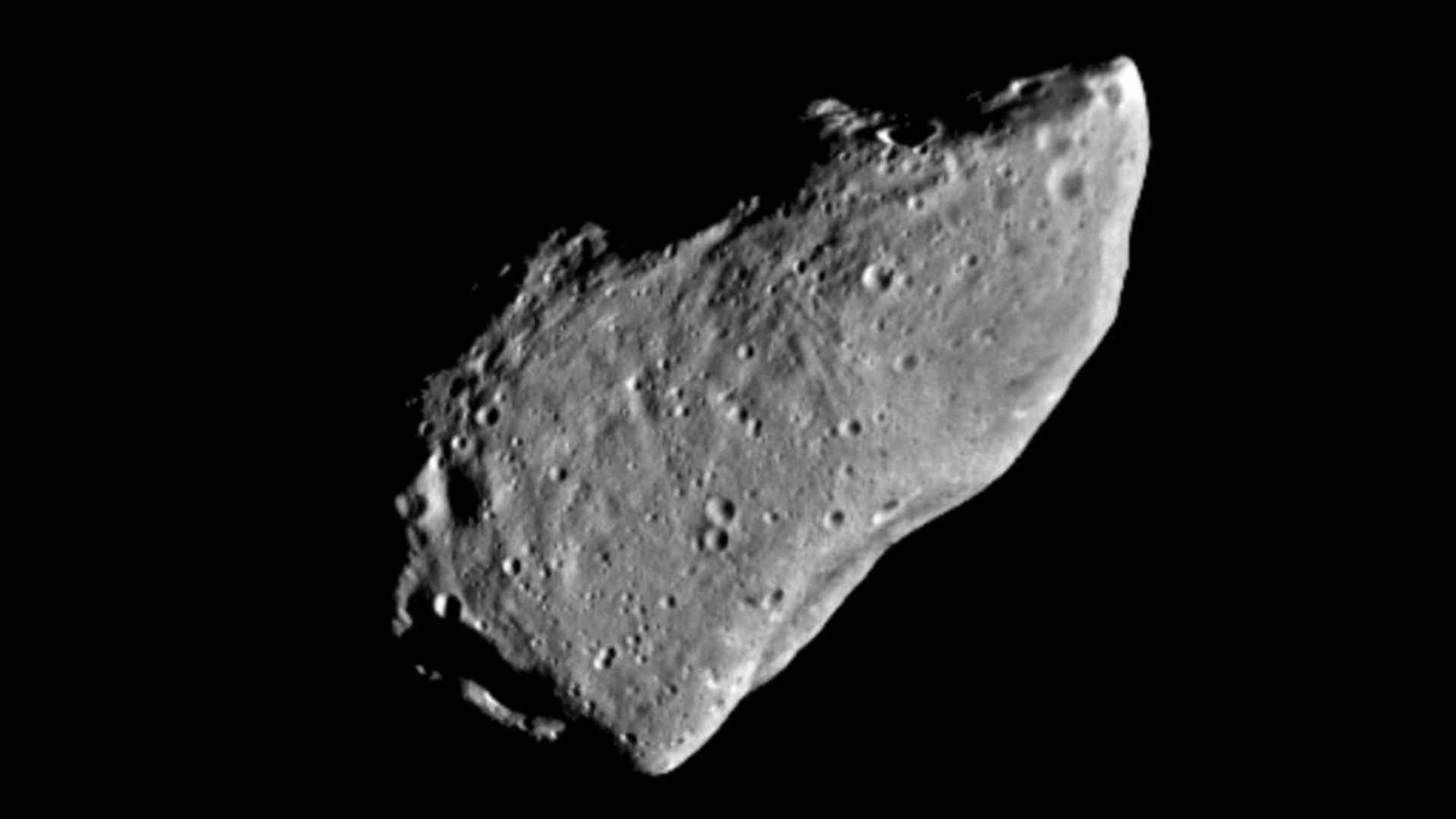
On October 29, 1991, NASA's Galileo spacecraft made history when it flew past asteroid 951 Gaspra at a relative speed of about 18,000 miles per hour, capturing the first close-up images of an asteroid. The encounter occurred while Galileo was en route to Jupiter, and the spacecraft passed within approximately 1,600 kilometers (1,000 miles) of the irregularly shaped space rock, which measures about 19 by 12 by 11 kilometers. These images revealed a cratered, grooved surface, providing scientists with unprecedented detail about asteroid composition and structure. The flyby was a crucial engineering and scientific milestone, demonstrating the feasibility of close asteroid reconnaissance and paving the way for future missions like NEAR Shoemaker and OSIRIS-REx. By studying Gaspra, researchers gained insights into the early solar system, as asteroids are considered building blocks of planets. The success of Galileo's encounter underscored the value of multi-purpose deep-space missions and remains a reference point for planetary defense and resource exploration today. As we continue to explore near-Earth objects, Gaspra stands as a reminder of how far asteroid science has come—and how much more there is to discover.