Expedition 1 Arrives at International Space Station: Nov. 2, 2000 Milestone
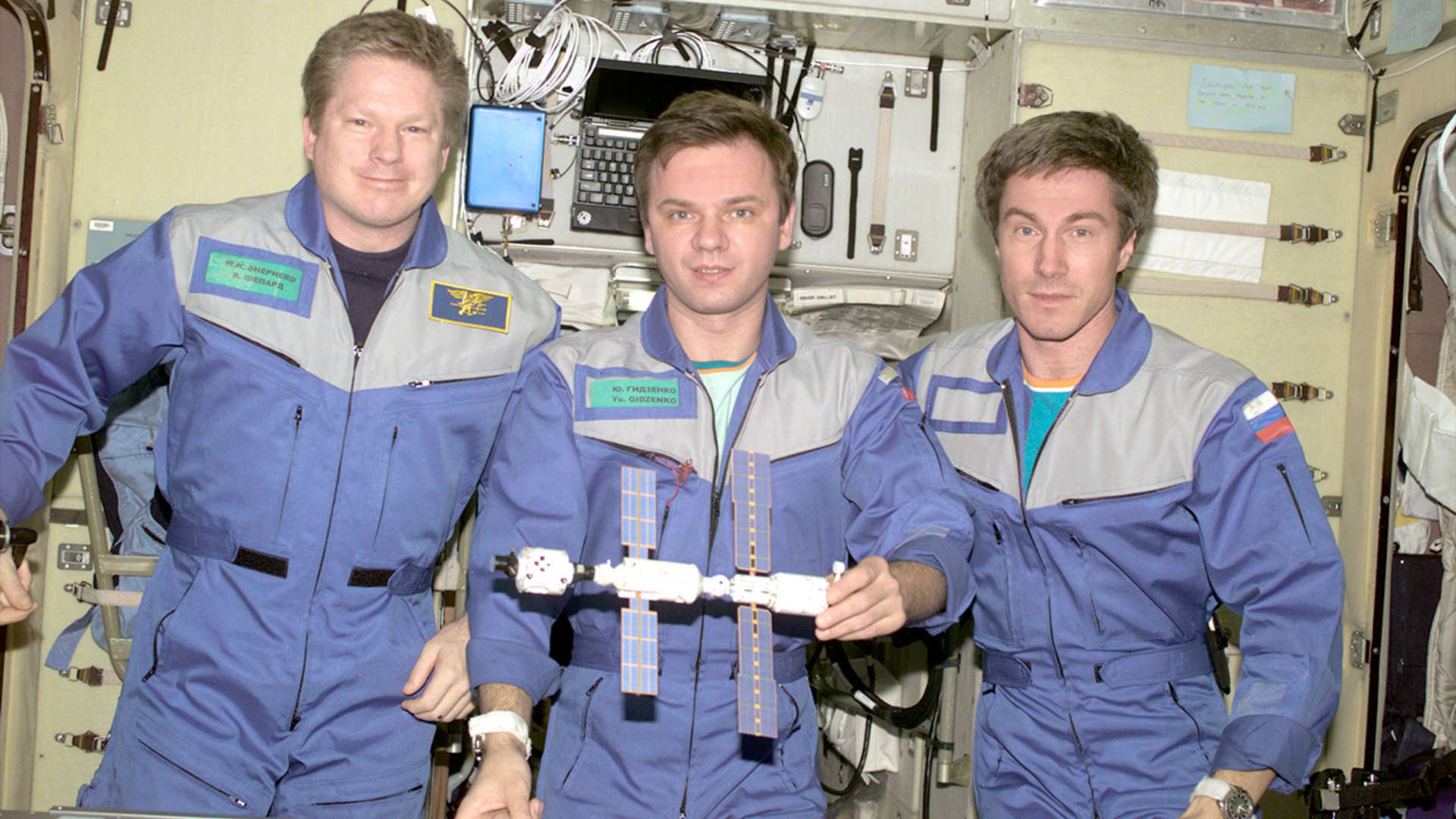
On November 2, 2000, the International Space Station (ISS) welcomed its first long-duration crew, Expedition 1, marking the beginning of continuous human presence in orbit. NASA astronaut Bill Shepherd and Russian cosmonauts Yuri Gidzenko and Sergei Krikalev docked their Soyuz spacecraft to the fledgling station, which at the time consisted of just three modules. This milestone, achieved through collaboration between NASA and Roscosmos, transformed the ISS from an uncrewed construction site into a permanent microgravity laboratory. Expedition 1 commander Shepherd, a former Navy SEAL, led the 136-day mission, during which the crew activated critical life support systems, unpacked supplies, and conducted initial scientific experiments. Their arrival signaled a new era of international cooperation in space, with 15 nations contributing to the station's development. The trio's work laid the foundation for over two decades of continuous habitation, enabling advancements in medicine, materials science, and deep-space exploration. Today, the ISS remains a symbol of peaceful partnership and a testbed for technologies needed for future missions to the Moon and Mars. The legacy of Expedition 1 endures as crews from around the world continue to live and work in orbit, pushing the boundaries of human knowledge and capability.