Euclid Telescope Discovers Most Remote Ancient Quasars to Unlock Early Universe Secrets
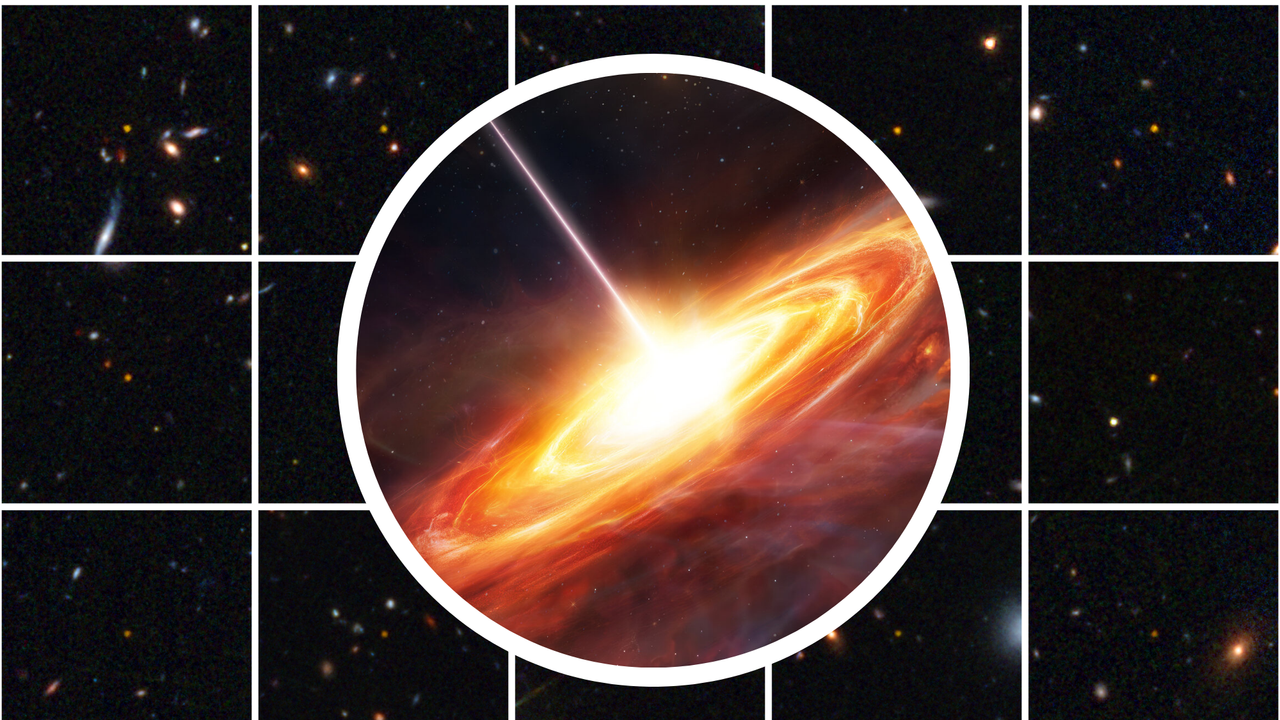
The European Space Agency’s Euclid space telescope has achieved a landmark breakthrough in observational astronomy by identifying some of the most remote and ancient quasars ever recorded. These luminous celestial objects, powered by supermassive black holes, provide essential data regarding the evolution of the early cosmos. By capturing precise imagery of these faint, distant structures, researchers can now examine the mysterious environmental conditions that facilitated the growth of galaxies during the infancy of space-time. This discovery serves as a critical signpost for scientists, allowing for a deeper understanding of how massive structures matured shortly after the Big Bang. The advanced capabilities of the Euclid mission allow it to detect phenomena that were previously obscured from conventional telescopes, marking a significant leap forward in our knowledge of deep-space history. These findings are instrumental in refining existing models of galactic development and offer a clearer window into the dark, formative eras of the universe, ultimately expanding the horizons of modern space exploration and our grasp of how the first structures in space began to emerge.