Earth's Van Allen Radiation Belts Breached: Shocking Discovery Changes Space Weather Science
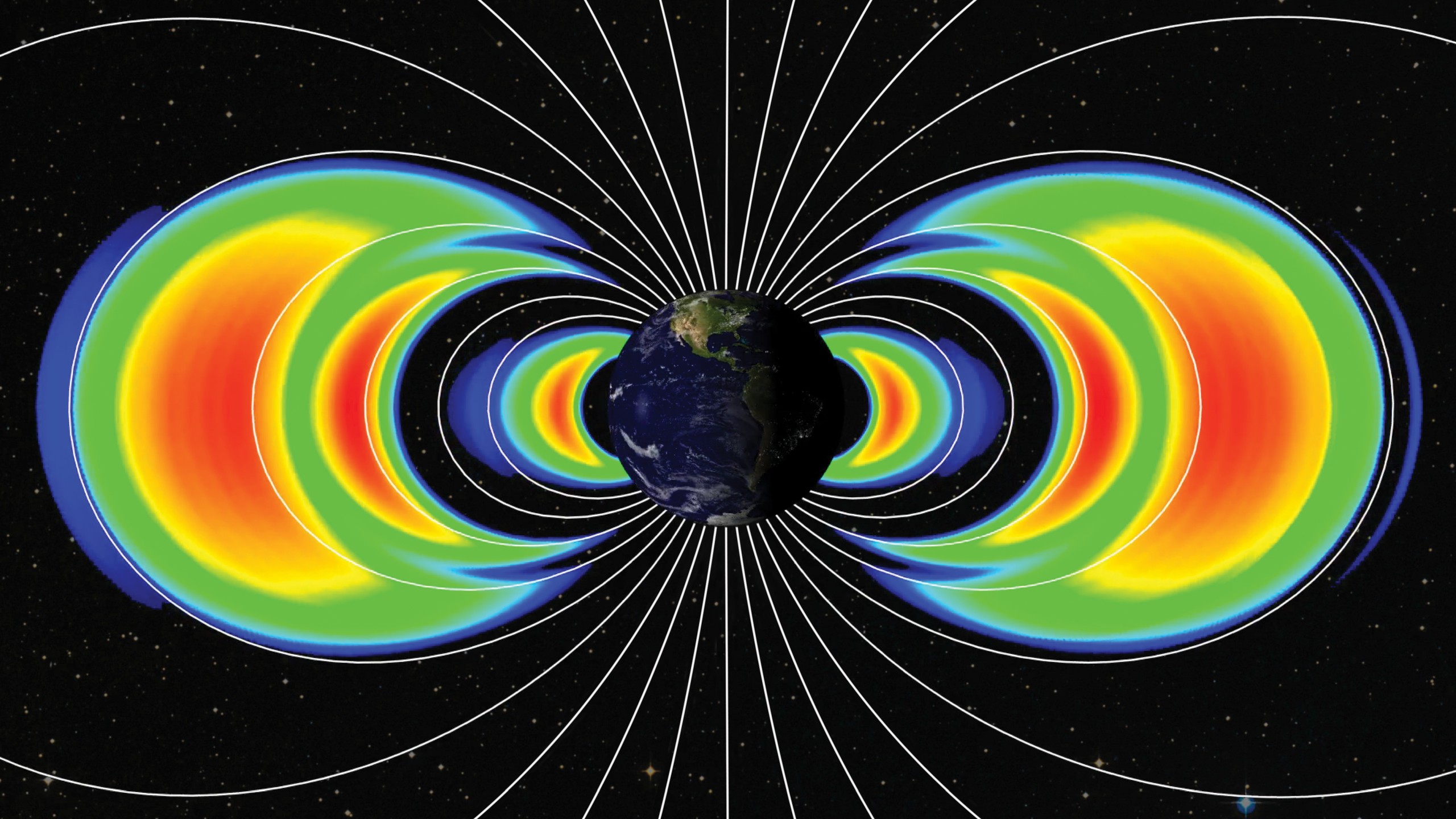
In a startling development, scientists have discovered that Earth's Van Allen radiation belts—long considered an impenetrable barrier protecting our planet from harmful solar radiation—have been breached. The finding, reported by ScienceAlert, challenges decades of assumptions about the stability of these magnetic shields. The Van Allen belts, named after physicist James Van Allen, are two doughnut-shaped zones of charged particles trapped by Earth's magnetic field. They were thought to act as a robust defense, absorbing and deflecting high-energy particles from the Sun and cosmic rays. However, new data reveals that under certain conditions, these belts can be penetrated, allowing dangerous radiation to reach closer to Earth. The breach was detected by a combination of satellite observations and ground-based instruments, which recorded a sudden influx of high-energy electrons and protons into regions typically protected by the belts. While the exact cause is still under investigation, researchers suspect that unusually strong solar activity, such as coronal mass ejections or high-speed solar wind streams, may have temporarily overwhelmed the magnetic field's shielding capacity. This event underscores the dynamic and sometimes unpredictable nature of space weather. Why it matters: The Van Allen belts play a crucial role in safeguarding satellites, astronauts, and even power grids on Earth from radiation damage. A breach could pose significant risks to spacecraft electronics, increase radiation exposure for astronauts on the International Space Station or future deep-space missions, and potentially disrupt communication and navigation systems. Understanding when and how these breaches occur is vital for improving space weather forecasting and protecting critical infrastructure. This discovery serves as a wake-up call for the scientific community and space agencies worldwide. As humanity becomes increasingly reliant on space-based technology and prepares for ambitious missions to the Moon and Mars, the need to monitor and model the radiation environment has never been more urgent. The breach of Earth's radiation barrier is not just a scientific curiosity—it's a stark reminder of the forces that shape our cosmic neighborhood.