London's Low Emission Zone Improves Child Respiratory Health: Early Data Shows Significant Benefits
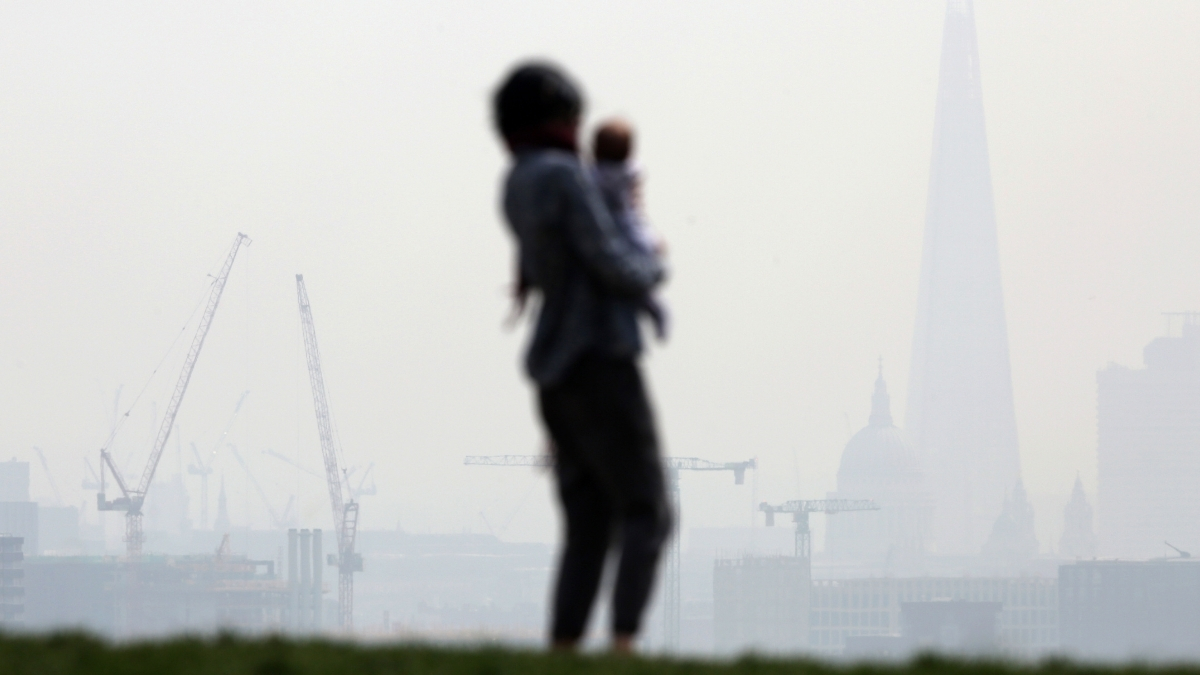
Recent data indicates that London’s Low Emission Zone (LEZ) policies are yielding immediate public health benefits, particularly for children. According to reports cited by ScienceAlert, young residents in areas subject to these stringent emissions regulations are experiencing markedly better respiratory health outcomes compared to previous years. This positive shift is directly attributed to the reduction of harmful pollutants, specifically nitrogen dioxide and particulate matter, which are primary triggers for asthma and other breathing difficulties. By restricting access for high-emission vehicles, the LEZ has effectively lowered the ambient air quality burden in key districts. The correlation between dropping pollution levels and decreased incidence of respiratory complaints among young residents serves as compelling evidence that targeted environmental interventions can produce tangible results for vulnerable urban populations. These early signs suggest that such policies not only improve environmental metrics but also enhance community well-being, offering a model for other cities seeking to balance urban mobility with public health protection.