Denisovans' Distinctive Look Revealed by Protein Analysis of Chinese Fossils
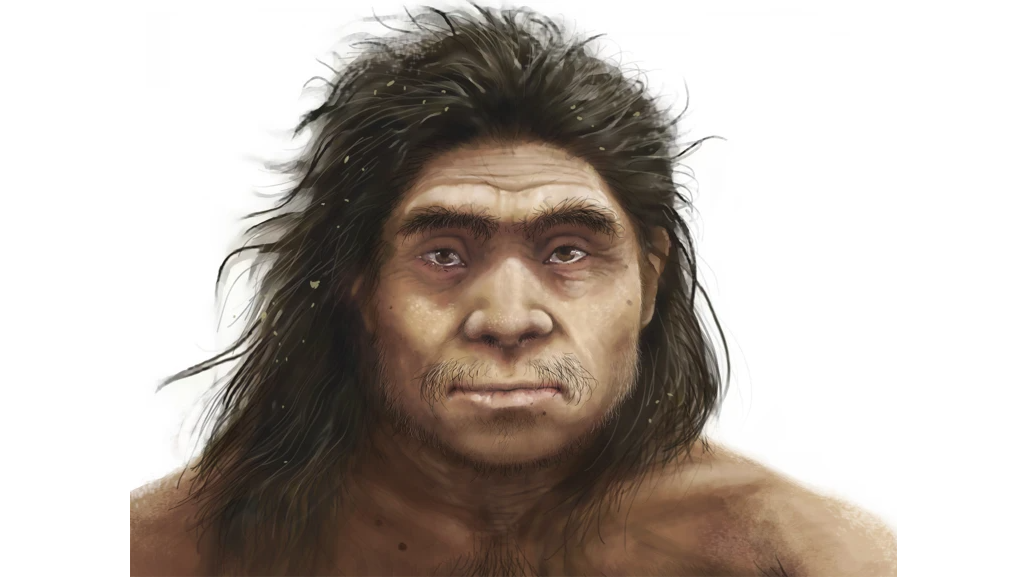
Ancient proteins extracted from fossils in northern China are giving scientists their first glimpse of what Denisovans looked like. The paleoproteomic analysis, published in the journal Cell, reveals that these extinct human cousins had a distinctive appearance, setting them apart from both Neanderthals and modern humans. The study focused on a jawbone and teeth found in Baishiya Karst Cave on the Tibetan Plateau, dating back at least 160,000 years. By comparing ancient protein sequences with those of other hominins, researchers identified key differences in facial and dental features. This breakthrough matters because Denisovan remains are extremely rare, and until now, their physical characteristics were largely unknown. The findings help clarify how Denisovans adapted to high-altitude environments and how they interacted with other human species. As more fossils are analyzed with this technique, the Denisovan story will continue to come into focus, reshaping our understanding of human evolution.