Crows Pass Classic Marshmallow Test, Showcasing Advanced Decision-Making
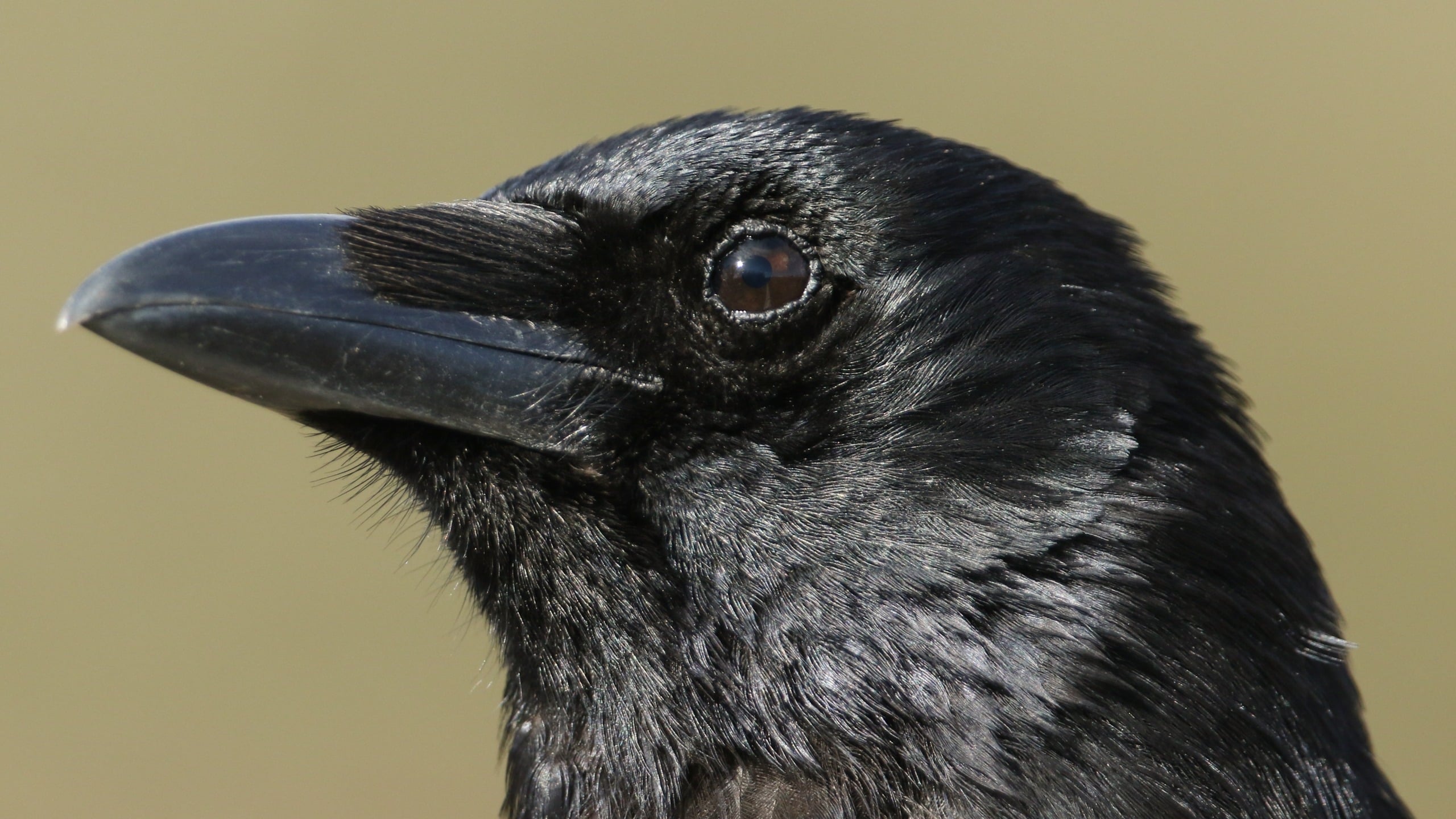
In a striking demonstration of avian intelligence, two crows have passed a version of the famous Stanford marshmallow test, a psychological experiment originally designed to measure self-control and delayed gratification in children. The study, reported by ScienceAlert, reveals that these birds can resist immediate temptation in favor of a better reward—an ability once thought to be uniquely human or limited to certain primates. The crows, subjects in a controlled experiment, consistently chose to wait for a preferred food item rather than settle for a less desirable one, showing not only patience but also strategic decision-making. This finding challenges the outdated notion of 'birdbrains' and underscores the sophisticated cognitive abilities of corvids, a family that includes crows, ravens, and jays. Researchers believe such skills may have evolved to help these birds cache food and navigate complex social environments. The results have significant implications for our understanding of animal intelligence and the evolution of self-control, suggesting that advanced cognitive traits can arise independently in vastly different lineages. As scientists continue to explore the minds of birds, we may need to rethink what it means to be 'smart' in the animal kingdom.